

You wake up with your heart racing. The clock flashes a time that feels impossible. You’re late terribly late. Your phone is full of missed calls, your boss is waiting, and somehow every step you take feels slow, heavy, delayed.
You try to move faster, but the dream resists you keys are missing, traffic won’t budge, time slips through your fingers like sand. And then you wake up.
If you’ve ever had a dream like this, you’re not alone. Dreams about being late for work are surprisingly common, and they often linger in your mind long after the alarm goes off.
But these dreams aren’t just random stress signals. They carry deeper meanings tied to your emotions, habits, fears, and even your sense of identity.
In real life, being late can feel like failure, loss of control, or missed opportunity. In dreams, it becomes a symbolic language one your subconscious uses to tell you something important.
This article explores the five hidden causes behind these dreams, unpacking what they reveal and how you can use them as powerful tools for self-awareness and growth.
Why “Being Late” Feels So Intense in Dreams
Dreams amplify emotions, and lateness is one of the most emotionally charged experiences we know. It combines urgency, fear, guilt, and pressure all in one moment.
When you’re late in a dream, you’re not just missing a meeting. You’re often confronting a deeper fear: that you’re falling behind in life itself.
Your brain uses this familiar scenario because it’s universally understood. Everyone knows the sinking feeling of being late. In dreams, that feeling becomes a shortcut to something more abstract like anxiety about your future or dissatisfaction with your present.
There’s also a loss of control embedded in these dreams. You try to fix things, but obstacles keep appearing. That helplessness is key. It often mirrors situations in waking life where you feel stuck, overwhelmed, or unable to keep up.
Interestingly, these dreams tend to happen more during periods of transition new jobs, relationships, responsibilities, or personal goals. Your mind is processing change, and “lateness” becomes a symbol for uncertainty.
Instead of dismissing the dream as stress, it helps to ask: Where in my life do I feel like I’m running out of time?
Fear of Missing Opportunities

At its core, dreaming about being late often reflects a fear of missing out on success, relationships, or important life moments.
The Pressure to “Keep Up”
In today’s fast-paced world, it’s easy to feel like everyone else is moving ahead. Promotions, milestones, achievements these become invisible deadlines we compare ourselves against.
Your dream turns this pressure into a literal scenario: you are late, and something important is slipping away.
When Timing Feels Everything
Sometimes the fear isn’t about capability, but timing. You might think:
- “What if I started too late?”
- “What if I missed my chance?”
The dream magnifies that worry, placing you in a race against time you can’t win.
A Quiet Reminder
Instead of seeing this dream as a warning, consider it a reflection. It’s your mind asking whether you’re chasing your own timeline or someone else’s.
Real growth doesn’t follow a strict clock. But when you forget that, your dreams remind you in the most dramatic way possible.
Overwhelm and Burnout
Another powerful cause behind these dreams is simple but profound: you’re overwhelmed.
When Life Feels Too Full
Imagine juggling work deadlines, family responsibilities, personal goals, and constant digital distractions. Even if you’re managing it all, your mind may not feel that way.
Dreaming about being late becomes a symbolic overflow. It’s your brain saying, There’s too much to handle.
The Endless To-Do List
In these dreams, you’re often delayed by small things misplacing items, getting stuck, forgetting steps. This mirrors how overwhelm works in real life: it’s not one big problem, but many small ones piling up.
Emotional Exhaustion
Burnout isn’t always obvious. You might still show up, complete tasks, and function normally. But internally, there’s fatigue and your dreams reveal it.
These dreams can be a gentle alarm, urging you to slow down, prioritize, and give yourself permission to rest.
Fear of Judgment or Failure

Being late doesn’t just mean missing something it often means facing consequences. That’s where fear of judgment enters the picture.
The Invisible Audience
In many of these dreams, there’s someone waiting a boss, a colleague, a group of people. Even if you don’t see them clearly, you feel their presence.
This reflects a deeper concern: how others perceive you.
Perfectionism at Play
If you hold yourself to high standards, even small delays can feel like major failures. Your dream exaggerates this, turning a minor issue into a dramatic scenario.
The Inner Critic
Often, the harshest judgment doesn’t come from others it comes from within. These dreams can reveal a strong inner critic that constantly measures your worth against performance.
Recognizing this can be powerful. It opens the door to self-compassion and more realistic expectations.
Lack of Control in Real Life
One of the most frustrating aspects of these dreams is the inability to fix the situation. No matter what you do, you’re still late.
That’s not accidental it’s symbolic.
When Life Feels Unpredictable
You might be dealing with situations where outcomes are uncertain:
- Job instability
- Relationship challenges
- Unexpected changes
Your dream reflects this unpredictability by creating scenarios where control is impossible.
The Illusion of Control
In waking life, we often try to manage everything. But when things don’t go as planned, it creates tension.
Dreams strip away that illusion, showing you what it feels like to lose control completely.
Finding Balance
The lesson here isn’t to control everything better it’s to accept that some things can’t be controlled at all.
Ironically, this acceptance often reduces the anxiety that triggers such dreams.
Avoidance and Procrastination
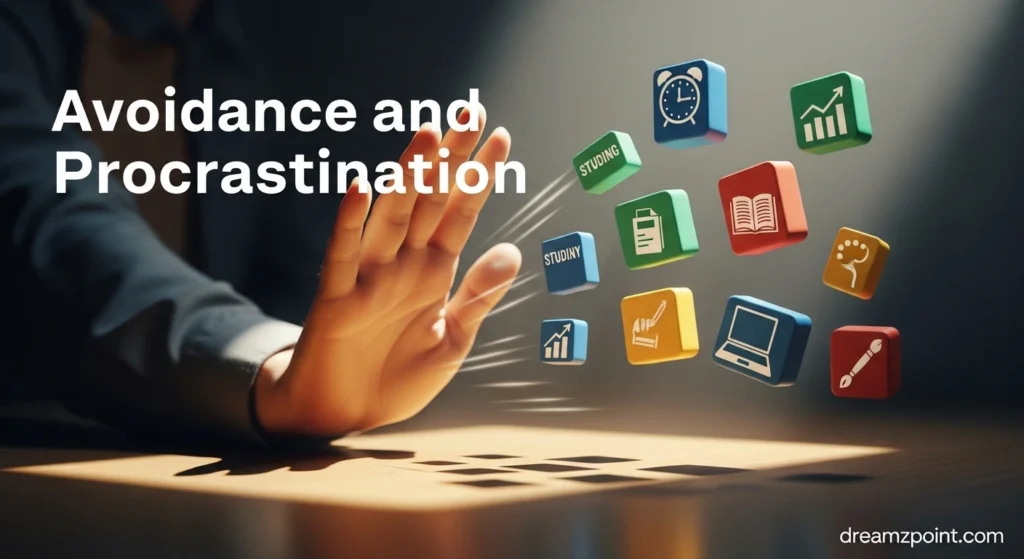
Sometimes, the dream is more direct than symbolic. It reflects something you’ve been putting off.
The Tasks You Keep Delaying
Is there something in your life you’ve been avoiding? A difficult conversation, a project, a decision?
Your mind turns that delay into a dramatic image: you are late, and now it matters.
The Emotional Weight of Delay
Procrastination isn’t just about time it’s about emotion. Fear, doubt, or uncertainty often sit behind it.
The dream brings those emotions to the surface.
A Wake-Up Call
In this case, the message is clear: there’s something that needs your attention.
Taking even a small step toward it can reduce the intensity of these dreams.
Common Variations of This Dream and What They Mean
Not all “late for work” dreams look the same. The details can change the meaning.
Missing Transportation
You can’t catch a bus, train, or ride. This often reflects reliance on external factors or feeling unsupported.
Losing Important Items
Keys, phones, or documents go missing. This can symbolize self-doubt or feeling unprepared.
Time Moving Too Fast
Clocks jump ahead suddenly. This points to anxiety about aging or running out of time.
Getting Stuck
Traffic jams or slow movement suggest feeling trapped in a situation.
Each variation adds nuance, helping you understand what your mind is really trying to say.
How Your Daily Routine Influences These Dreams

Your habits play a bigger role than you might think.
Irregular sleep, late-night stress, and constant mental stimulation can all increase anxiety-driven dreams.
If you’re constantly rushing during the day, your brain may simply replay that pattern at night but with heightened intensity.
On the other hand, structured routines and moments of calm can reduce these dreams. When your mind feels organized, it’s less likely to create chaotic scenarios.
Even small changes like setting a consistent bedtime or reducing screen time can make a noticeable difference.
Emotional Patterns Hidden Beneath the Surface
Beyond the obvious causes, these dreams often reveal deeper emotional patterns.
You might notice recurring themes:
- Feeling “not enough”
- Fear of falling behind
- Struggling to meet expectations
These patterns aren’t always conscious. Dreams bring them forward in symbolic form.
Paying attention to how you feel during the dream is key. Is it panic, guilt, frustration, or sadness?
That emotion is often more important than the scenario itself.
Real-Life Scenarios That Trigger These Dreams

Certain life situations make these dreams more likely.
Major Transitions
Starting a new job, moving to a new place, or entering a new phase of life can create uncertainty.
Increased Responsibility
Taking on more tasks or leadership roles can lead to pressure and self-doubt.
Unresolved Stress
Ongoing issues whether personal or professional can linger in your mind and appear in dreams.
Recognizing these triggers helps you connect the dream to your waking life.
What These Dreams Are Trying to Teach You
Instead of seeing these dreams as negative, consider them as messages.
They often encourage:
- Awareness of stress
- Re-evaluation of priorities
- Compassion toward yourself
Sometimes, the dream is simply asking you to pause and reflect.
Are you pushing too hard? Avoiding something important? Comparing yourself too much?
The answers aren’t always comfortable, but they’re valuable.
Practical Ways to Reduce These Dreams

If these dreams happen frequently, there are ways to manage them.
Create Mental Closure Before Sleep
Reflect on your day and write down unfinished tasks. This signals to your brain that things are under control.
Build a Calmer Routine
Reduce stimulation before bed. Even 20–30 minutes of quiet time can help.
Address Real-Life Stress
Instead of ignoring stress, take small steps to manage it. This reduces its appearance in dreams.
Practice Self-Compassion
Remind yourself that being “late” in life isn’t failure. Everyone moves at their own pace.
Common Misunderstandings About These Dreams
It’s easy to misinterpret these dreams as simple anxiety or laziness. But they’re more nuanced.
They don’t mean you’re irresponsible or failing. In fact, they often occur in highly responsible people who care deeply about their roles.
They’re also not predictions. Dreaming about being late doesn’t mean something bad will happen.
Instead, they’re reflections mirrors of your inner state.
How to Reflect on Your Own Dream Experiences
To truly understand your dreams, you need to engage with them.
Ask yourself:
- What was I feeling in the dream?
- What in my life feels similar?
- Is there something I’m avoiding or worrying about?
Writing down your dreams can help you notice patterns over time.
The goal isn’t to decode every detail, but to build awareness.
FAQs
Why do I keep dreaming about being late for work?
Recurring dreams often indicate ongoing stress or unresolved emotions. Your mind is repeatedly trying to process something important.
Are these dreams a sign of anxiety?
They can be, but not always. They may also reflect pressure, fear of missing opportunities, or lack of control.
Do these dreams mean I’m actually unprepared in life?
Not necessarily. Often, they reflect perception rather than reality how you feel, not what’s true.
Can improving my routine stop these dreams?
Yes, in many cases. Better sleep habits and stress management can reduce their frequency.
Why do I feel so panicked in these dreams?
Dreams amplify emotions. The panic is often tied to deeper fears about failure or judgment.
Is there a spiritual meaning behind these dreams?
Some interpret them as messages about life direction or personal growth, but the meaning is highly individual.
Should I be worried about these dreams?
No. They’re common and often helpful. They offer insight into your thoughts and emotions.
Conclusion
Dreams about being late for work can feel stressful, even overwhelming but they’re rarely random. Beneath the urgency and chaos lies a deeper message about your emotions, priorities, and inner world.
Whether it’s fear of missing opportunities, overwhelm, self-judgment, lack of control, or avoidance, each cause reflects something meaningful about your current life experience. These dreams aren’t trying to scare you they’re trying to communicate with you.
When you start listening, you shift from reacting to understanding. And in that understanding, something changes. The panic softens. The message becomes clearer. And the dream, once frustrating, becomes a quiet guide toward balance, awareness, and growth.
