
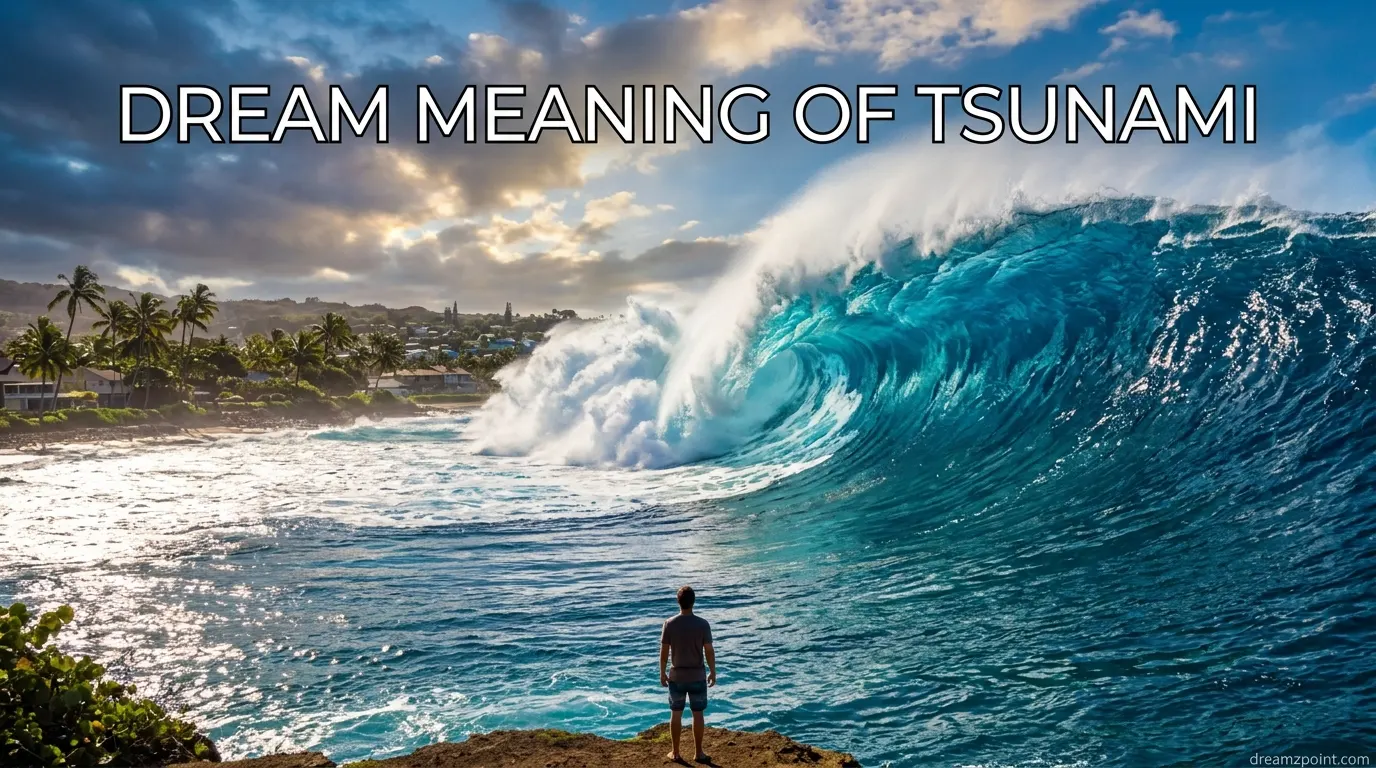
Have you ever woken up breathless after dreaming of a towering wave rushing toward you its roar deafening, its force unstoppable? In that moment, it feels real: the ground trembles, the sky darkens, and you’re left wondering whether to run, hide, or simply surrender.
Dreams about tsunamis are among the most intense and emotionally charged experiences the mind can create. They don’t just pass through your sleep quietly they shake you awake, often leaving behind a lingering sense of fear, urgency, or confusion.
But what do these dreams actually mean? Why does your subconscious choose something as powerful and destructive as a tsunami to communicate with you? In real life, tsunamis represent overwhelming forces of nature, and in dreams, they often mirror emotional tides within you hidden fears, suppressed feelings, or major life changes building beneath the surface.
Understanding these dreams can provide deep insight into your emotional state, personal struggles, and even future decisions. This article explores the layered meanings behind tsunami dreams and how they connect to your waking life in meaningful and transformative ways.
The Symbolism of Tsunamis in Dreams
A tsunami in a dream is rarely just about water it’s a symbol of overwhelming energy. Water itself often represents emotions, and when it appears in the form of a massive wave, it suggests those emotions have grown too large to ignore. Unlike a calm ocean or gentle rain, a tsunami signals intensity, urgency, and loss of control.
These dreams typically arise when something in your life feels too big to handle. It might be stress from work, unresolved conflict in relationships, or internal struggles you’ve been avoiding. The tsunami becomes a metaphor for everything building up inside you ready to crash.
What makes this symbol powerful is its unpredictability. In dreams, tsunamis often appear suddenly, mirroring how emotional overwhelm can hit without warning. You may feel unprepared, caught off guard, or unable to escape.
At a deeper level, a tsunami can also symbolize transformation. Just as real tsunamis reshape landscapes, these dreams may reflect a need for emotional release or a major life shift. While they can feel frightening, they often carry a hidden message: something in your life is demanding attention, and ignoring it is no longer an option.
Emotional Overload and Inner Turmoil

One of the most common interpretations of tsunami dreams is emotional overload. When your mind is processing too many feelings at once, it can manifest as a powerful, uncontrollable force.
Imagine someone juggling work deadlines, family responsibilities, and personal struggles. During the day, they might appear composed, but at night, their subconscious releases that pressure in the form of a tsunami. The wave represents everything they’ve been holding back.
These dreams often come with intense emotions fear, panic, helplessness. You might find yourself running, hiding, or watching the wave approach without being able to move. This reflects how you may feel in waking life: overwhelmed and unsure how to respond.
Signs You’re Experiencing Emotional Overload
- Feeling constantly stressed or anxious
- Avoiding difficult conversations
- Experiencing sudden mood swings
- Struggling to relax or sleep
When a tsunami appears in your dreams, it may be your mind’s way of saying, “You can’t keep carrying this alone.” Recognizing this message can be the first step toward emotional balance.
Fear of Losing Control
Tsunamis are unstoppable forces, and dreaming of one often points to a fear of losing control. This could relate to external situations like job uncertainty or relationship instability or internal struggles, such as self-doubt or fear of failure.
In these dreams, you might try to escape the wave but find your efforts futile. No matter how fast you run, the tsunami catches up. This reflects a deeper anxiety: the belief that something in your life is beyond your control.
For example, someone going through a major life transition like moving to a new city or starting a new career may feel uncertain and vulnerable. The tsunami becomes a symbol of that uncertainty, highlighting fears about what lies ahead.
Interestingly, these dreams aren’t just about fear they’re also about awareness. They reveal where you feel powerless, giving you an opportunity to regain control by addressing those areas consciously.
Sudden Life Changes and Transitions

Tsunamis in dreams often appear during periods of sudden change. Just as a real tsunami can transform landscapes in moments, these dreams reflect shifts happening in your life sometimes unexpectedly.
These changes could be positive or negative: a new job, a breakup, a move, or even personal growth. What matters is the speed and intensity of the transition.
Common Transition Scenarios
Starting Something New
You may dream of a tsunami when stepping into unfamiliar territory. The wave represents the uncertainty and excitement mixed together.
Ending a Chapter
If you’re letting go of something like a relationship or habit the tsunami may symbolize the emotional impact of that ending.
Unexpected Events
Sometimes life throws surprises your way. These dreams can reflect your attempt to process sudden developments.
Rather than seeing the tsunami as purely destructive, it can be helpful to view it as a force of change. It may be pushing you toward growth, even if the process feels overwhelming.
Repressed Emotions Rising to the Surface
Another powerful interpretation of tsunami dreams is the release of repressed emotions. Just as tsunamis originate deep beneath the ocean, these dreams often stem from feelings buried in your subconscious.
You might not even be aware of these emotions during your waking life. They could include anger, sadness, guilt, or fear that you’ve pushed aside. Over time, these feelings build pressure until they finally surface in your dreams.
In this context, the tsunami isn’t just a threat it’s a release. It represents emotions demanding to be acknowledged.
For instance, someone who avoids conflict may suppress their frustrations. Over time, those frustrations grow, eventually appearing as a massive wave in their dreams. The message is clear: it’s time to confront what you’ve been avoiding.
Facing these emotions can be uncomfortable, but it’s also healing. Tsunami dreams often mark the beginning of that process.
Relationship Conflicts and Emotional Waves

Relationships are deeply tied to our emotions, so it’s no surprise that tsunami dreams often relate to conflicts or tension in personal connections.
These dreams may reflect arguments, misunderstandings, or unspoken feelings between you and someone close to you. The tsunami symbolizes the intensity of these emotions and the potential for things to spiral out of control.
How Tsunami Dreams Reflect Relationships
- A wave approaching you may represent a looming conflict
- Being swept away could symbolize feeling overwhelmed by someone’s emotions
- Watching a tsunami from afar might indicate emotional distance
Consider a situation where communication has broken down. You might feel like issues are piling up, but nothing is being resolved. In your dream, the tsunami becomes the culmination of those unresolved feelings.
These dreams encourage honest communication. Addressing issues early can prevent them from growing into something much harder to manage.
The Meaning of Surviving a Tsunami in Dreams
Surviving a tsunami in a dream carries a powerful and often positive message. While the experience may be terrifying, survival symbolizes resilience, strength, and the ability to overcome challenges.
If you find yourself escaping the wave or enduring its impact, it suggests that you have the inner resources needed to face whatever life throws at you.
This type of dream often appears after a difficult period, reflecting your progress and growth. It’s a reminder that even when things feel overwhelming, you can come out stronger on the other side.
What Survival Represents
- Emotional strength
- Adaptability
- Personal growth
- Hope and renewal
Rather than focusing on the fear, these dreams highlight your ability to endure. They encourage confidence in your capacity to navigate life’s challenges.
Being Swept Away: Feeling Powerless

On the other hand, dreaming of being swept away by a tsunami often reflects feelings of helplessness. You may feel like events in your life are controlling you rather than the other way around.
This can happen during times of intense pressure or when facing situations that seem impossible to manage. The dream captures that sense of being carried by forces beyond your control.
However, this doesn’t mean you’re truly powerless. Instead, it highlights areas where you may need support, clarity, or a change in perspective.
Recognizing this feeling is important. It allows you to step back and reassess your situation, identifying ways to regain a sense of control even if it’s through small, manageable steps.
Watching a Tsunami from a Distance
Interestingly, not all tsunami dreams involve direct danger. Sometimes, you might find yourself watching the wave from afar.
This perspective suggests awareness without immediate involvement. You may recognize that something intense is happening either within you or around you but you’re not directly affected yet.
This type of dream can act as a warning. It encourages you to pay attention to potential challenges before they escalate.
For example, you might notice tension in a relationship or stress building at work. Watching the tsunami from a distance reflects your awareness of these issues, giving you a chance to address them proactively.
Cultural and Psychological Perspectives

Different cultures and psychological theories offer unique insights into tsunami dreams. While interpretations vary, most agree that water represents emotions and the subconscious.
From a psychological perspective, these dreams are often linked to stress, anxiety, and emotional processing. They’re seen as the mind’s way of organizing and releasing complex feelings.
Culturally, water has long been associated with transformation and renewal. In this sense, a tsunami can represent both destruction and rebirth a cycle of endings and new beginnings.
This dual nature is important. While tsunami dreams may feel negative, they often carry the potential for growth and change.
Practical Lessons from Tsunami Dreams
Rather than dismissing these dreams as random or frightening, they can be valuable tools for self-reflection.
What You Can Learn
- Identify sources of stress or emotional pressure
- Recognize areas where you feel out of control
- Address unresolved feelings or conflicts
- Embrace change and transformation
For example, if you frequently dream of tsunamis, it might be worth asking yourself: What am I avoiding? What feels overwhelming right now?
Taking small steps like talking to someone, journaling, or setting boundaries can help reduce that emotional pressure.
Common Misinterpretations to Avoid

It’s easy to assume that tsunami dreams predict disaster or negative events. However, this is a misconception. These dreams are symbolic, not literal.
They don’t mean something bad is going to happen. Instead, they reflect your internal state and emotional experiences.
Another common misunderstanding is viewing them as purely negative. While they can be intense, they often signal growth, awareness, and the need for change.
Understanding these nuances can help you interpret your dreams more accurately and avoid unnecessary fear.
How to Respond After Having a Tsunami Dream
Waking up from such a vivid dream can be unsettling, but it’s also an opportunity for reflection.
Start by recalling the details: Were you running, watching, or surviving? What emotions did you feel? These clues can help you understand the message behind the dream.
Next, connect those feelings to your waking life. Are you dealing with stress, conflict, or change? Identifying these connections can provide clarity.
Finally, take action. Even small steps like organizing your thoughts or addressing a concern can make a big difference.
Tsunami dreams are not just experiences; they’re invitations to understand yourself better.
FAQs
What does it mean to dream about a tsunami repeatedly?
Recurring tsunami dreams often indicate ongoing stress or unresolved emotions that need attention. Your mind is repeatedly signaling that something important is being ignored.
Is dreaming of a tsunami a bad sign?
Not necessarily. While it can feel frightening, it’s usually a reflection of emotional intensity rather than a prediction of negative events.
What does surviving a tsunami in a dream mean?
It symbolizes resilience and the ability to overcome challenges, suggesting inner strength and personal growth.
Why do I feel scared after a tsunami dream?
The intensity of the imagery triggers strong emotional responses, reflecting underlying fears or anxieties in your waking life.
Can tsunami dreams be related to relationships?
Yes, they often reflect emotional conflicts, tension, or communication issues within relationships.
What does it mean to watch a tsunami from far away?
It suggests awareness of a situation without direct involvement, often acting as a warning to address potential issues early.
Do tsunami dreams mean major life changes are coming?
They can indicate that change is happening or needed, but they don’t predict specific events. Instead, they reflect your emotional response to change.
Conclusion
Tsunami dreams may feel overwhelming, but they carry powerful messages beneath their intensity. They reflect emotional tides within you stress, change, fear, and even growth waiting to unfold. Whether you’re running from the wave, watching it from a distance, or surviving its force, each scenario offers insight into your inner world.
Rather than fearing these dreams, consider them a form of guidance. They reveal what’s building beneath the surface and encourage you to face it with awareness and courage. By understanding their meaning, you can transform fear into clarity and use these experiences as stepping stones toward emotional balance and personal growth.
