

Imagine standing on a quiet beach. The air feels warm, the sky is calm, and the rhythm of the waves feels almost hypnotic. Then, without warning, the ocean pulls back. The shoreline empties, the air goes still, and a wall of water rises in the distance.
In your dream, you can’t run fast enough. You feel small, powerless, and overwhelmed. You wake up with a racing heart, carrying a feeling that lingers longer than the dream itself.
Many people experience tsunami dreams during periods of stress, loss, or emotional upheaval. These dreams can feel intense because they often represent emotional overwhelm rather than physical danger.
A tsunami in a dream can symbolize suppressed emotions, sudden change, fear of losing control, or even the need to rebuild life after something unexpected. Understanding what these dreams reveal can help you process emotions, face change with clarity, and regain a sense of balance.
In this article, we’ll explore what tsunami dreams mean, why they occur, and how they can help you navigate loss, change, and personal growth.
What Do Tsunami Dreams Really Mean?
A tsunami dream is rarely about the ocean itself. Instead, it represents powerful emotions that feel too large to manage. Like a wave gathering force, unresolved feelings can build quietly until they break through.
These dreams often appear during major life changes. That could be the loss of a loved one, a breakup, a job change, or any event that shifts the foundation of your life. The subconscious mind uses the image of a massive wave to show how intense or overwhelming a situation feels.
People who dream of tsunamis may be trying to process feelings of fear, grief, or helplessness. The dream doesn’t mean disaster is coming. It signals that emotions need attention. When ignored, stress accumulates. Eventually, the mind releases it through dreams, sometimes dramatically.
Tsunami dreams can also symbolize internal conflict. You might feel pulled in different directions or unsure about a major decision. The rising wave becomes a symbol of pressure building inside. Instead of ignoring the dream, recognizing its emotional message can guide you toward balance.
The Emotional Impact of Tsunami Dreams
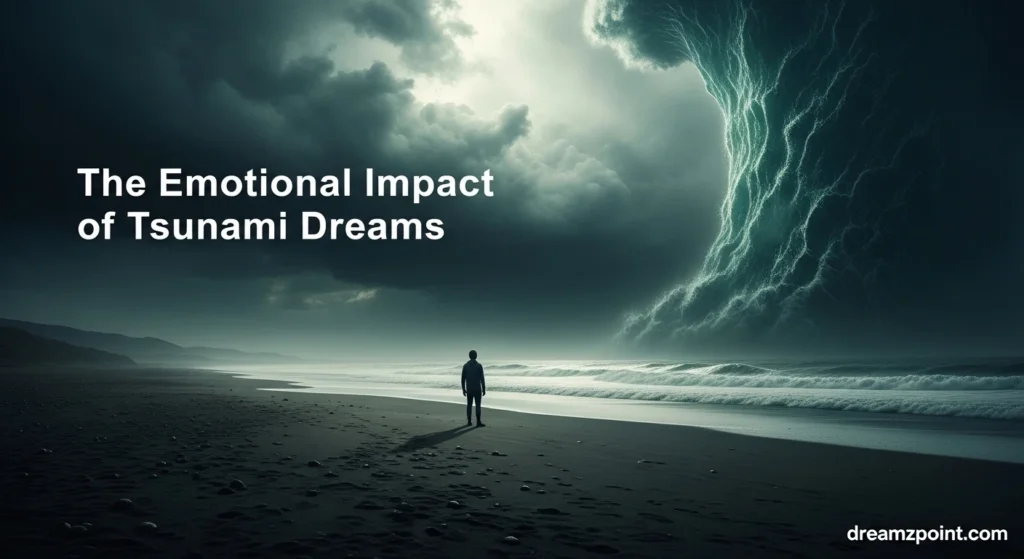
Tsunami dreams often leave strong emotional imprints. People wake up feeling tense, frightened, or uneasy. This is because the dream activates deep emotional memory centers. The fear in the dream is not just imagined; it feels real in the moment.
One reason these dreams are so intense is the sense of helplessness. Watching a massive wave approach can represent a feeling that life is moving too fast or that control is slipping away. The dream may reflect real-world stress, such as financial worries, relationship conflicts, or sudden changes.
However, the emotional impact can also serve a purpose. It pushes you to acknowledge emotions you may have been avoiding. For example, someone who has experienced loss might dream of being swept away. That doesn’t mean they want to escape. It shows how grief can feel overwhelming.
These dreams can be seen as signals from your inner self, asking you to pause, breathe, and process what you feel rather than suppressing it.
Why Do We Dream About Disasters?
Disaster dreams, including tsunami dreams, are linked to survival instincts. When the brain senses emotional danger or uncertainty, it uses vivid scenarios to communicate urgency. A tsunami represents something unstoppable and larger than the individual.
Such dreams often appear during:
- Personal crisis or transition
- Emotional burnout
- Relationship breakdowns
- Major life decisions
The mind creates dramatic scenes to express internal chaos. Think of it as your brain’s way of saying, “Pay attention.”
Disaster imagery is not meant to scare you. It reflects tension that needs release. Instead of fearing the dream, it can help you identify what feels out of control in your life.
Different Types of Tsunami Dreams and Their Meanings

Dreaming of Watching a Tsunami from a Distance
Seeing a wave from afar may indicate emotional awareness. You recognize something is changing but haven’t fully felt the impact yet.
Dreaming of Being Swept Away
This often symbolizes feeling overwhelmed by responsibilities or emotions. It suggests a loss of control or fear of losing stability.
Dreaming of Surviving the Wave
Survival dreams represent resilience. They show that although challenges exist, you have inner strength to endure and recover.
Dreaming of Warning Others
Trying to warn people in the dream can indicate empathy and responsibility. You may be worried about loved ones or trying to prevent mistakes in real life.
Each variation highlights a different emotional state, helping you understand what your mind is processing.
Tsunami Dreams and Fear of Change
Change can feel threatening, even when it’s positive. A tsunami dream may appear when you’re stepping into something unfamiliar. That could be starting a new job, moving to a new place, or ending a long relationship.
The dream represents fear of the unknown. The wave becomes a metaphor for uncertainty. Even when change is necessary, the mind can resist because familiar routines feel safer.
Recognizing this fear can help you approach change with more confidence. Instead of seeing the wave as danger, consider it a symbol of transformation.
How Tsunami Dreams Reflect Grief and Loss
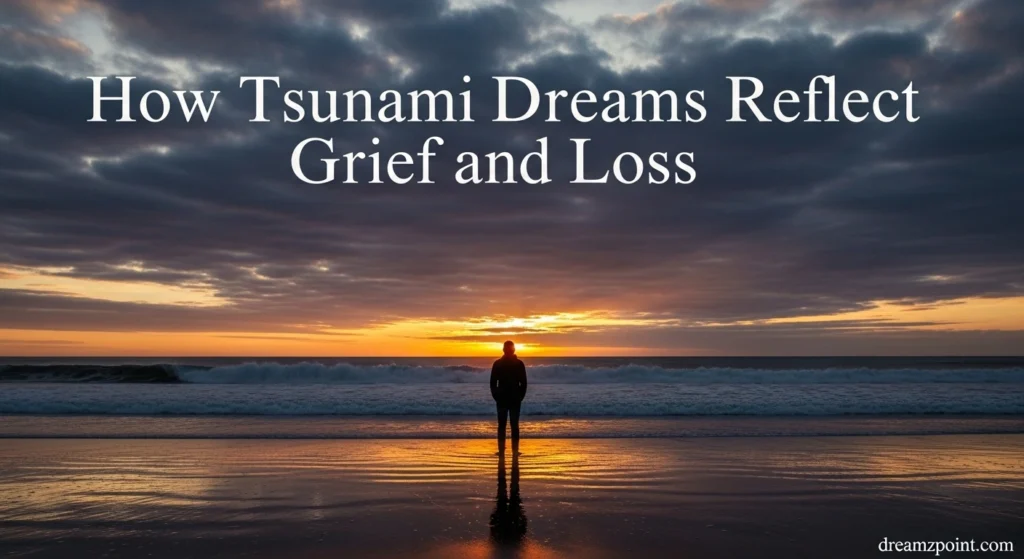
Grief often comes in waves. One moment feels manageable, the next feels overwhelming. A tsunami dream can symbolize that emotional cycle.
After losing someone or something meaningful, emotions don’t follow a straight path. They rise, fall, and sometimes crash unexpectedly. Dreams about tsunamis during grief reflect the emotional turbulence of healing.
These dreams can also represent the fear of forgetting, moving on, or facing life without what was lost. Understanding this helps you honor your emotions rather than suppress them.
The Role of Control and Powerlessness
One of the strongest feelings in a tsunami dream is the loss of control. The wave is too large to stop, which mirrors situations where you feel powerless.
This could relate to:
- Work pressure
- Relationship conflicts
- Health concerns
- Financial stress
The dream may reveal how much control you believe you have over your life. Recognizing areas where you feel helpless can motivate practical changes, whether through communication, planning, or self-care.
Can Tsunami Dreams Signal Personal Transformation?

Yes. While they can represent fear, they also symbolize renewal. Just as a real tsunami reshapes landscapes, emotional upheaval can reshape your inner world.
These dreams often appear before or during major personal growth. You may be shedding old beliefs, habits, or relationships. The destruction in the dream symbolizes the clearing of what no longer serves you.
Growth can feel uncomfortable, even painful. But it creates space for new perspectives and opportunities.
Practical Steps to Cope After a Tsunami Dream
After waking from a powerful dream, grounding yourself helps ease lingering anxiety.
Acknowledge the Emotions
Avoid pushing the feelings aside. Recognize what you felt during the dream and how it connects to your life.
Reflect on Current Stress
Ask yourself what situations feel overwhelming. The dream may highlight what needs attention.
Write It Down
Recording details can help you process the experience and identify patterns.
Focus on Stability
Simple grounding techniques like deep breathing, walking, or talking with someone you trust can help restore balance.
Lessons Tsunami Dreams Can Teach Us

These dreams can act as emotional teachers. They encourage you to confront feelings rather than avoid them.
Key lessons include:
- Facing fears rather than running from them
- Accepting that not everything can be controlled
- Recognizing emotional limits
- Embracing change instead of resisting it
By understanding the message behind the dream, you can move forward with clarity and strength.
Common Misinterpretations About Tsunami Dreams
Many people assume disaster dreams predict real-life danger. This is a misconception. These dreams reflect inner emotional states, not future events.
Another misunderstanding is that such dreams are purely negative. While they can feel frightening, they often signal growth, release, and transformation.
Rather than seeing them as bad omens, consider them opportunities to understand your emotional world.
How to Use These Dreams for Personal Growth

Instead of fearing the dream, use it as a tool. Reflect on what feels overwhelming and what you can change.
Consider:
- What am I resisting?
- What feels out of control?
- What emotions am I avoiding?
These questions can guide meaningful personal change. The dream becomes not a warning, but a guide.
The Connection Between Stress and Tsunami Dreams
High stress levels increase the likelihood of intense dreams. When the mind is overloaded, it expresses tension symbolically.
Managing stress can reduce such dreams. Practices like mindfulness, journaling, and honest communication help release emotional pressure before it builds.
Think of the dream as an emotional pressure valve. When life becomes overwhelming, the subconscious finds a way to release tension.
When Tsunami Dreams Become Recurring
If tsunami dreams happen repeatedly, it may indicate unresolved emotional stress. Recurring dreams are signals that something needs deeper attention.
This could be an ongoing conflict, fear, or unresolved grief. Exploring the underlying cause, whether through reflection or conversation with someone you trust, can reduce recurrence.
Recurring dreams aren’t a sign of weakness. They are reminders that healing is still in progress.
FAQs
What does it mean to dream about a tsunami repeatedly? It often suggests unresolved emotional stress or a situation that feels overwhelming and ongoing.
Are tsunami dreams a sign of real danger? No. They symbolize internal emotional states rather than predicting real events.
Why do tsunami dreams feel so realistic? Strong emotions during REM sleep can create vivid sensory experiences.
Do these dreams mean I’m losing control? They may reflect feelings of powerlessness in some areas of life, but they also highlight opportunities to regain balance.
Can positive changes trigger tsunami dreams? Yes. Even positive transitions can create emotional uncertainty.
How can I stop having tsunami dreams? Reducing stress, processing emotions, and creating stability in life can help.
Do these dreams relate to past trauma? They can, especially if the trauma involved loss, fear, or sudden change.
Is there a spiritual meaning behind tsunami dreams? For some, the dream represents cleansing, renewal, or transformation.
Conclusion
Tsunami dreams can be unsettling, but they carry meaningful insights. They often arise during periods of emotional intensity, change, or uncertainty. Rather than signaling danger, they reveal the state of your inner world. These dreams invite you to acknowledge emotions, confront fears, and accept transformation. By understanding the message behind the wave, you gain clarity and resilience. The next time a massive wave appears in your dreams, see it not as a threat, but as a powerful signal from within. It may be urging you to pause, reflect, and move forward with greater awareness and strength.
