
You wake up with a strange stillness lingering in your chest. In the dream, a white snake moved silently neither threatening nor friendly just present.
It didn’t strike. It didn’t flee. It simply was. And now, hours later, you’re left wondering why that image feels so significant, almost like a message you can’t quite decode.
Dreams have a way of bringing forward emotions we struggle to articulate while awake. A white snake, in particular, carries a powerful blend of symbolism purity, transformation, endings, and renewal.
When it appears during periods of grief or emotional transition, it often reflects something deeper: the mind’s attempt to process loss and gently guide itself toward peace.
This article explores the layered meaning behind dreaming of a white snake, especially in the context of emotional healing.
Beyond surface interpretations, we’ll dive into what these dreams may reveal about unresolved feelings, personal transformation, and the quiet path toward acceptance.
The Symbolism of the White Snake in Dreams
The image of a white snake is striking because it blends two contrasting symbols. Snakes are often associated with change, danger, or hidden truths, while the color white typically represents purity, clarity, and peace. When combined, they create a symbol that is both unsettling and deeply meaningful.
In dreams, a white snake rarely signals something negative in a literal sense. Instead, it often represents a transformation that is happening or needs to happen on a deeper emotional level. The whiteness softens the snake’s usual associations, suggesting that whatever change is occurring is ultimately meant for healing rather than harm.
For many people, this symbol appears during times of emotional transition. It may show up after a loss, during a period of confusion, or when you’re quietly letting go of something important. The dream doesn’t necessarily provide answers, but it invites reflection.
Rather than asking, “Is this a good or bad sign?” it’s more useful to ask, “What part of my life is changing, and how am I responding to it?”
Why Loss Often Triggers Symbolic Dreams
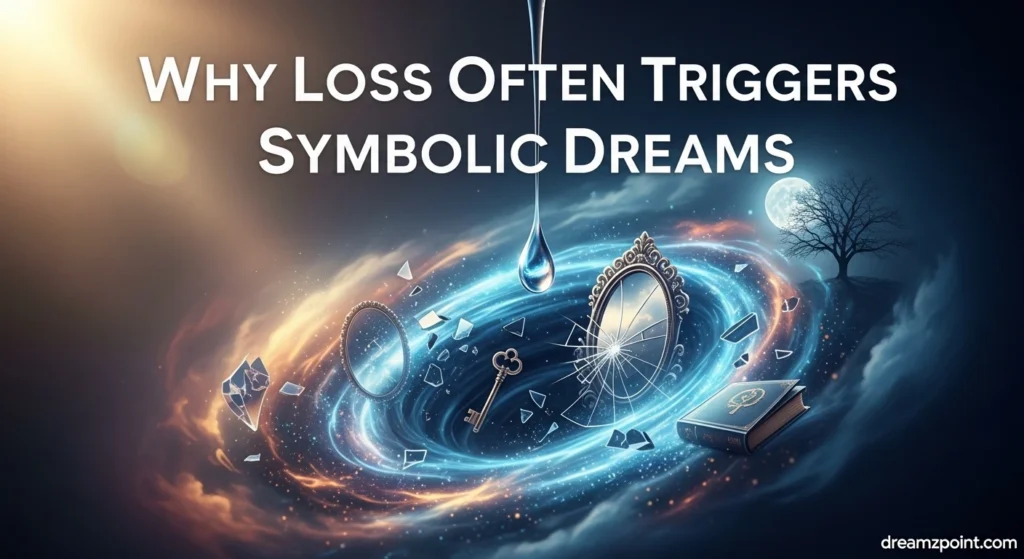
Loss doesn’t always announce itself loudly. Sometimes, it settles quietly into your life through the end of a relationship, a shift in identity, or even the fading of a dream you once held close.
When your waking mind avoids or suppresses these emotions, your subconscious often steps in through dreams. This is where symbolic imagery, like a white snake, becomes powerful.
Dreams act as a kind of emotional processing system. They take abstract feelings grief, confusion, longing and translate them into visual experiences. A white snake may represent the presence of loss in a way that feels safe enough to confront.
Subtle Loss vs. Obvious Loss
Not all loss is dramatic. Sometimes it’s:
- Letting go of who you used to be
- Accepting a change you didn’t choose
- Realizing something won’t turn out the way you hoped
In these cases, a white snake may symbolize a quiet acknowledgment of that shift a gentle but persistent reminder that something has ended, and something else is beginning.
The White Snake as a Symbol of Transformation
One of the most important meanings of a snake is transformation. Snakes shed their skin, leaving behind what no longer fits. In dreams, this process often reflects emotional or psychological growth.
A white snake, in particular, suggests that this transformation is tied to healing rather than survival. It’s not about escaping danger it’s about evolving.
You might see this dream when you are:
- Moving on from a painful experience
- Slowly accepting a difficult truth
- Letting go of resentment or regret
The dream doesn’t mean the transformation is complete. In fact, it often appears when you’re in the middle of change when things feel uncertain and unfinished.
The presence of the snake reminds you that growth can feel uncomfortable, but it is necessary for renewal.
Processing Grief Through Dream Imagery
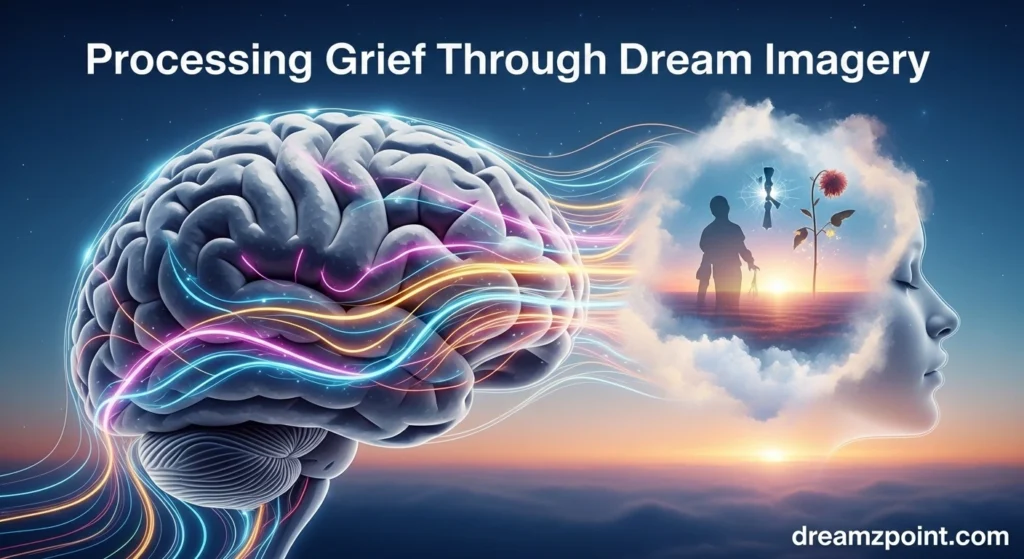
Grief rarely moves in a straight line. It comes in waves sometimes intense, sometimes barely noticeable. Dreams provide a space where grief can be experienced without the constraints of logic or social expectations.
A white snake in this context can represent grief in its most distilled form: quiet, persistent, and transformative.
How the Dream Reflects Emotional Processing
- The snake’s movement may mirror the slow passage of healing
- Its presence may represent an emotion you haven’t fully acknowledged
- Its calm or non-threatening behavior may suggest readiness for acceptance
Rather than fearing the image, it can be helpful to see it as a sign that your mind is working through something important.
When the Snake Feels Peaceful Instead of Threatening
One of the most telling details in a white snake dream is how the snake behaves and how you feel in its presence.
If the snake is calm, still, or even comforting, it often points toward acceptance. This doesn’t mean the loss is gone, but it suggests that you are beginning to make peace with it.
This kind of dream can feel almost meditative. You may wake up with a sense of quiet reflection rather than fear.
What This May Indicate
- You are moving toward emotional closure
- You are learning to coexist with your loss
- You are beginning to release resistance
These dreams can be surprisingly gentle, offering reassurance rather than alarm.
When the White Snake Feels Unsettling
Not all white snake dreams are peaceful. Sometimes the snake creates tension it may follow you, stare at you, or appear unexpectedly.
In these cases, the dream may be highlighting unresolved emotions. The white color still suggests healing, but the discomfort indicates that something is being avoided.
Possible Interpretations
- You are resisting a necessary change
- You haven’t fully processed a loss
- You are afraid of what comes next
The dream isn’t punishing you it’s prompting awareness. It asks you to face what you may be pushing aside.
The Role of Fear and Acceptance in the Dream
Fear plays a crucial role in how we interpret dreams. If you feel afraid of the snake, it often reflects fear of change or uncertainty in your waking life.
Acceptance, on the other hand, shifts the tone entirely. When you feel calm around the snake, it suggests that you are beginning to trust the process of transformation.
The Emotional Spectrum
- Fear → resistance to change
- Curiosity → openness to understanding
- Calmness → acceptance and integration
Your emotional reaction in the dream is often more important than the image itself.
Real-Life Situations That Trigger This Dream

White snake dreams often appear during specific life phases. These aren’t random occurrences they tend to align with emotional transitions.
Common Scenarios
After a Relationship Ends
You may dream of a white snake when you’re letting go of someone who once felt essential. The snake represents both the ending and the possibility of renewal.
During Personal Identity Shifts
If you’re redefining who you are changing careers, beliefs, or life direction the dream may reflect this transformation.
Following Emotional Burnout
Sometimes the dream appears when you’re exhausted and need to release emotional weight. The snake becomes a symbol of shedding what you can no longer carry.
Each scenario highlights a different aspect of loss and healing.
The White Snake and Inner Wisdom
Beyond loss and transformation, the white snake can also symbolize inner wisdom. It may represent a part of you that understands what needs to happen, even if your conscious mind resists it.
In this sense, the dream becomes less about external events and more about internal guidance.
You might notice that the snake doesn’t speak or act dramatically. Its presence alone carries meaning. This subtlety reflects the quiet voice of intuition easy to ignore, but deeply important.
Listening to this inner guidance often requires stillness and reflection, both of which the dream encourages.
Letting Go Without Losing Yourself

One of the hardest parts of processing loss is the fear that letting go means losing a part of yourself. The white snake challenges this idea.
Shedding doesn’t erase identity it refines it.
When you release something that no longer serves you, you create space for something more aligned with who you are becoming. The dream reminds you that growth doesn’t diminish you it reshapes you.
This perspective can shift how you approach change. Instead of seeing it as loss alone, you begin to see it as evolution.
Misunderstandings About Snake Dreams
Snake dreams are often misunderstood, especially because snakes are commonly associated with danger or betrayal. While these interpretations can apply in some contexts, they are not universal.
A white snake, in particular, rarely carries purely negative meaning.
Common Misinterpretations
- Assuming the dream predicts harm
- Believing it represents someone untrustworthy
- Interpreting it as a bad omen without context
Dreams are highly personal. Their meaning depends on your emotions, experiences, and current life situation not just the symbol itself.
Practical Ways to Reflect on the Dream

Understanding a dream doesn’t require complex analysis. Often, simple reflection is enough to uncover its meaning.
Questions to Ask Yourself
- What emotions did I feel during the dream?
- What is currently changing in my life?
- Is there something I need to let go of?
Writing down your thoughts can help clarify patterns and insights.
You don’t need to “solve” the dream. Instead, treat it as a conversation with your inner self.
Turning Insight Into Emotional Healing
A dream becomes meaningful when it leads to action or awareness in your waking life. The white snake invites you to engage with your emotions rather than avoid them.
This might look like:
- Allowing yourself to feel grief without judgment
- Having honest conversations with yourself
- Making small changes that align with your growth
Healing doesn’t happen all at once. It unfolds gradually, much like the movement of the snake in your dream.
Finding Peace Through Acceptance
At its core, the white snake dream is about peace not the absence of pain, but the ability to coexist with it.
Acceptance doesn’t mean forgetting or dismissing what you’ve lost. It means recognizing that the loss is part of your story, not the end of it.
The dream gently nudges you toward this understanding. It doesn’t rush you. It simply appears, again and again if needed, until the message begins to settle.
FAQs
What does it mean if I dream of a white snake repeatedly?
Recurring dreams often indicate unresolved emotions or ongoing transformation. The repetition suggests your mind is still processing something important.
Is dreaming of a white snake a good sign?
It’s not about “good” or “bad.” Generally, it points toward healing, transformation, and emotional processing.
What if the white snake bites me in the dream?
A bite may symbolize a sudden realization or emotional breakthrough something that demands your attention.
Does the size of the snake matter?
Yes. A larger snake may represent a more significant issue or transformation, while a smaller one might reflect subtle changes.
Can this dream be related to anxiety?
Yes. If the dream feels tense or unsettling, it may reflect underlying anxiety about change or loss.
What if I feel calm in the dream?
Calmness often indicates acceptance and emotional progress.
Should I be worried about this dream?
No. It’s usually a sign that your mind is working through something meaningful, not a warning of danger.
Conclusion
A white snake dream lingers because it speaks in a quiet, symbolic language one that touches parts of you that words often cannot reach. It doesn’t shout warnings or deliver clear answers. Instead, it invites reflection, patience, and honesty.
At its heart, this dream is about transformation shaped by loss and guided by the possibility of peace. It reminds you that letting go is not an act of erasure, but one of renewal. Even in moments of uncertainty, something within you is adapting, shedding, and growing.
If you find yourself returning to this dream, consider it a gentle companion rather than a mystery to solve. It may be showing you that healing is already underway, even if you can’t fully see it yet.
