
There’s a quiet, almost surreal moment when you wake from a dream where someone who has passed away feels vividly alive again. Their voice lingers, their presence feels real, and for a brief second, reality and memory blur.
Maybe they smiled at you, spoke to you, or simply stood nearby, as if nothing had ever changed. You sit up, wondering what does it mean? Was it just a dream, or something deeper?
Dreams about the deceased are among the most emotionally powerful experiences we have during sleep. They often leave us questioning not just our memories, but our emotional world, our subconscious, and even our spiritual beliefs.
Astrology offers a unique lens to understand these dreams not as random images, but as symbolic reflections of inner emotional cycles, planetary influences, and the soul’s ongoing dialogue with loss and transformation.
In this article, we’ll explore what it truly means to dream of the dead as alive, how astrology interprets these experiences, and what emotional messages your mind and perhaps your spirit might be trying to convey.
The Emotional Impact of Seeing the Dead Alive in Dreams
Dreams involving deceased loved ones tend to feel different from ordinary dreams. They carry a weight, a depth, and often a sense of realism that can be startling. Unlike fragmented or chaotic dreams, these often unfold with clarity and emotional intensity.
You might wake up feeling comforted, confused, or even shaken. The emotional tone of the dream matters more than the imagery itself. A warm, peaceful interaction suggests something entirely different from a tense or unresolved encounter.
These dreams often occur during emotionally vulnerable periods anniversaries, personal transitions, or moments of stress. They tap into unresolved feelings, unspoken words, or lingering connections.
What makes them unique is the sense that the person is not just remembered but present. This feeling can linger long after waking, making it difficult to dismiss the dream as mere imagination.
From an emotional perspective, these dreams act as bridges connecting past relationships with present emotional needs.
Astrology’s Perspective on Dreams and the Subconscious
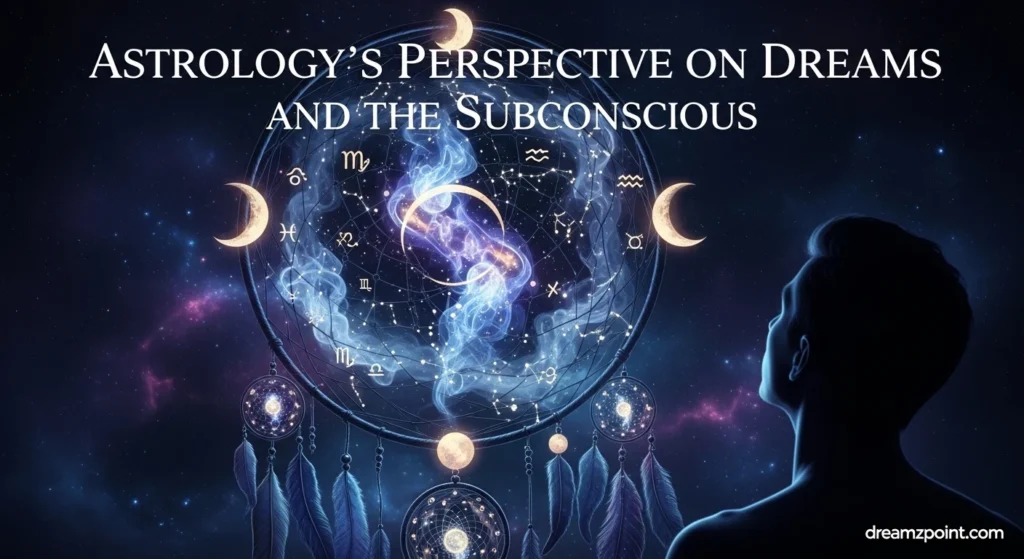
Astrology views dreams as more than mental noise. They are reflections of the subconscious mind, influenced by planetary movements and emotional energies.
Certain planetary placements are closely linked to dreams. The Moon, for instance, governs emotions and memory, while Neptune is associated with dreams, illusions, and spiritual connections. When these planetary energies are activated, dreams often become more vivid and meaningful.
During specific astrological periods—such as retrogrades or intense lunar phases—dreams may become more emotionally charged. This is when buried feelings rise to the surface, often in symbolic form.
Dreams of the dead being alive can emerge during these times as a way for the psyche to process grief, longing, or transformation.
Rather than seeing these dreams as literal encounters, astrology encourages us to interpret them as emotional signals—messages from within that reflect what we are feeling, needing, or healing.
Why the Dead Appear Alive Instead of as Memories
It’s natural to wonder why dreams don’t simply show memories, but instead present the deceased as if they are still living.
This phenomenon is tied to how the subconscious processes emotional bonds. When someone has deeply impacted your life, their presence doesn’t simply fade—it transforms. In dreams, the mind reconstructs them in their most familiar and emotionally resonant form: alive.
Seeing them alive allows for interaction—conversation, closure, or reassurance. A static memory cannot evolve, but a living presence in a dream can respond, react, and engage.
This dynamic quality serves an emotional purpose. It gives the dreamer an opportunity to revisit unresolved emotions or experience a sense of connection that waking life cannot provide.
In this way, the dream is less about the past and more about the present emotional state of the dreamer.
Emotional Healing Through Dream Encounters

One of the most powerful aspects of these dreams is their potential for healing.
When grief remains unprocessed, it often lingers beneath the surface. Dreams can provide a safe space for these emotions to unfold. Seeing a deceased loved one alive again may allow you to express feelings that were never fully shared.
Closure and Unspoken Words
You might find yourself saying things you never had the chance to say. Apologies, gratitude, or simple expressions of love often emerge in these dreams.
Reassurance and Comfort
In many cases, the deceased appears calm, happy, or at peace. This can bring a profound sense of comfort, as if the dream is offering reassurance that everything is okay.
Reconnection with Emotion
Sometimes, these dreams reconnect you with emotions you’ve suppressed. Whether it’s sadness, joy, or longing, they help bring those feelings into awareness.
Astrologically, these experiences often align with periods of emotional introspection, where healing becomes possible through inner reflection.
The Role of the Moon in Dream Symbolism
The Moon plays a central role in how we process emotions and dreams.
When the Moon is prominent in your astrological chart or during certain lunar phases dreams tend to become more vivid and emotionally charged. Full moons, in particular, can heighten sensitivity and bring subconscious material to the surface.
Dreaming of the dead alive during a strong lunar phase may indicate emotional release. It suggests that something within you is seeking acknowledgment.
The Moon also governs memory, which explains why familiar faces from the past appear so vividly in dreams. However, the emotional tone of the dream reflects current feelings, not just past experiences.
In this sense, the Moon acts as a mirror reflecting your inner emotional landscape through symbolic imagery.
Neptune and the Blurring of Reality in Dreams
Neptune is the planet most associated with dreams, illusions, and spiritual experiences.
When Neptune’s influence is strong, the boundary between reality and imagination becomes less defined. Dreams may feel more immersive, almost like alternate realities.
This is often when dreams of the dead being alive occur with striking realism. Conversations feel authentic, environments appear detailed, and emotions run deep.
Neptune also governs compassion and spiritual longing. Dreams under its influence may carry a sense of connection that feels almost transcendent.
While these experiences can feel mystical, they are often reflections of deep emotional currents—your mind exploring themes of loss, connection, and meaning in symbolic ways.
Different Types of Dreams About the Deceased
Not all dreams of the dead alive carry the same meaning. The context and emotional tone shape their interpretation.
Peaceful Encounters
These dreams often bring comfort. The deceased appears calm, happy, or supportive, suggesting emotional acceptance and healing.
Distressing or Conflict Dreams
If the interaction is tense or unsettling, it may reflect unresolved issues or lingering guilt. These dreams invite deeper emotional reflection.
Silent Presence
Sometimes the deceased is simply there, without interaction. This may symbolize their lasting influence in your life rather than a need for communication.
Guidance or Advice
In some dreams, the deceased offers advice or direction. This often represents your inner wisdom, shaped by your relationship with that person.
Each type of dream reveals something different about your emotional state and what your subconscious is processing.
Are These Dreams Spiritual or Psychological?
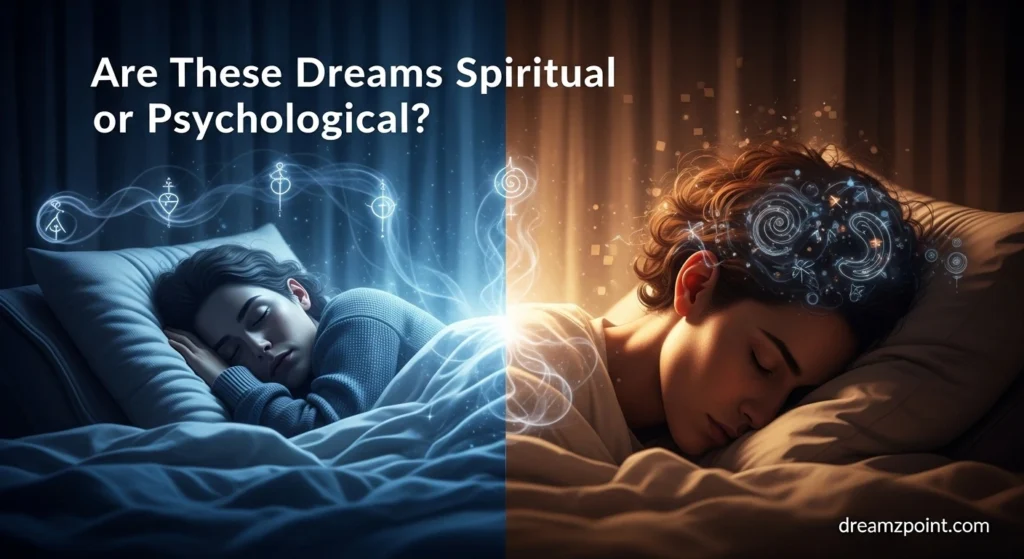
One of the most common questions is whether these dreams are spiritual messages or purely psychological experiences.
Astrology doesn’t strictly separate the two. Instead, it sees dreams as layered experiences that can hold both emotional and symbolic significance.
From a psychological perspective, these dreams help process grief and maintain emotional bonds. From a spiritual perspective, they may feel like moments of connection beyond the physical world.
What matters most is how the dream feels to you. If it brings peace, clarity, or insight, its value lies in that emotional impact regardless of interpretation.
Rather than seeking a definitive answer, it’s more helpful to explore what the dream reveals about your inner world.
Common Misinterpretations to Avoid
It’s easy to misinterpret these dreams, especially when emotions run high.
One common mistake is assuming every dream carries a literal message. Not all dreams are signs or communications; many are reflections of internal emotional processes.
Another misunderstanding is viewing distressing dreams as negative omens. In reality, they often signal emotional tension that needs attention, not external danger.
It’s also important not to ignore the emotional context. The same imagery can have different meanings depending on how it feels.
Astrology encourages a balanced approach acknowledging the symbolic nature of dreams without jumping to extreme conclusions.
Real-Life Scenarios and What They May Mean

Dreams often mirror real-life situations, even when they involve the deceased.
Dreaming During Major Life Changes
If you dream of a deceased loved one during a transition like a new job or relationship it may reflect a desire for guidance or reassurance.
Dreams After Emotional Suppression
If you’ve been avoiding grief or emotional reflection, these dreams may surface as a way to process those feelings.
Recurring Dreams
Repeated dreams about the same person may indicate unresolved emotions or a message your subconscious is trying to emphasize.
Each scenario highlights how these dreams are tied to your current emotional journey rather than the past alone.
Practical Ways to Understand Your Dreams
Understanding these dreams requires reflection rather than immediate conclusions.
Start by noting the emotional tone. How did the dream make you feel? Comforted, uneasy, nostalgic?
Next, consider what’s happening in your life. Are you going through change, stress, or emotional growth?
Writing down your dreams can also help identify patterns over time. You may notice recurring themes or symbols that provide deeper insight.
Meditation or quiet reflection can further help you connect with the emotional message behind the dream.
Astrology can guide you in timing helping you understand why certain dreams appear during specific phases of life.
The Connection Between Grief and Dream Symbolism
Grief doesn’t follow a straight path. It evolves, resurfaces, and transforms over time.
Dreams are one of the ways grief continues to express itself. Seeing the deceased alive again can be part of this ongoing process.
Rather than indicating that grief is unresolved, these dreams often show that the emotional bond still exists just in a different form.
They remind us that relationships don’t simply end; they shift into memory, influence, and emotional presence.
Astrology views this as part of emotional cycles periods where past experiences return to be integrated into the present self.
Lessons These Dreams Can Teach You
These dreams are not just experiences they are opportunities for insight.
They can teach you about your emotional needs, your capacity for connection, and your ability to process loss.
They may encourage you to express feelings more openly, appreciate relationships more deeply, or reflect on personal growth.
In some cases, they serve as reminders of values or lessons learned from the person who appeared in the dream.
Ultimately, they help you understand yourself better not just your past, but your present emotional state.
FAQs
1. Is it normal to dream of someone who has passed away? Yes, it’s a common experience, especially when the emotional connection was strong.
2. Why do they seem so real in dreams? Because the subconscious recreates them in a vivid, lifelike way to process emotions more effectively.
3. Do these dreams mean the person is trying to communicate? Not necessarily. They are often symbolic reflections of your own emotional state.
4. Why do I feel comforted after such dreams? Because they may provide emotional closure or reassurance.
5. What if the dream is disturbing? It could indicate unresolved feelings or emotional tension that needs attention.
6. Do these dreams happen more during certain times? Yes, they often occur during emotional transitions or significant life events.
7. Should I take these dreams literally? It’s better to interpret them symbolically rather than literally.
8. Can astrology predict these dreams? Not exactly, but it can explain why they may occur during certain emotional or planetary cycles.
Conclusion
Dreaming of the dead as alive is a deeply human experience one that blends memory, emotion, and subconscious reflection into something both mysterious and meaningful. Rather than seeing these dreams as strange or unsettling, they can be understood as emotional signals shaped by inner needs and, in astrology, by cosmic rhythms. They offer moments of connection, opportunities for healing, and glimpses into the emotional layers we often overlook in waking life.
Whether comforting or complex, these dreams remind us that relationships don’t simply end they evolve within us. By paying attention to their emotional tone and timing, we can gain insight into our own growth, our healing process, and the quiet ways the past continues to shape who we are becoming.
