
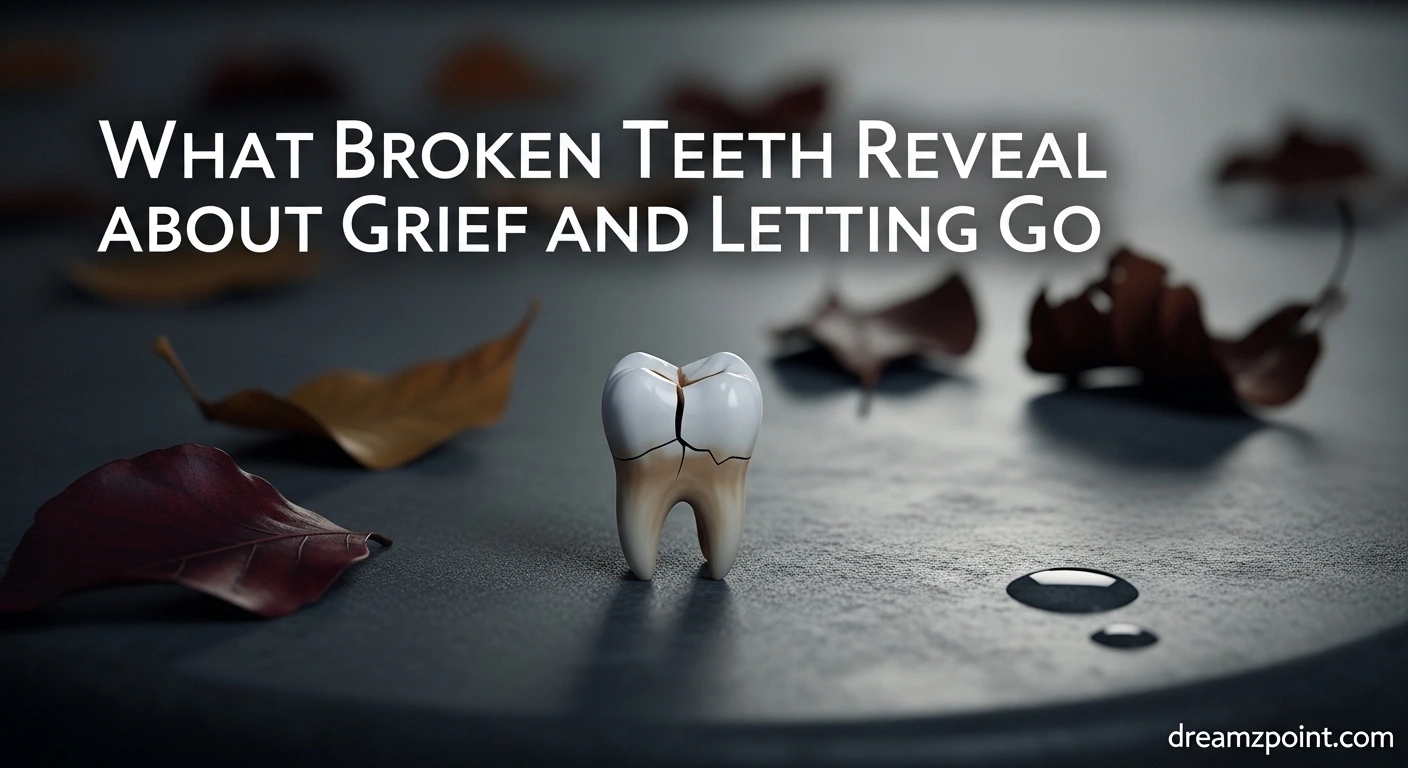
It often begins in a dream or a quiet moment in real life. You’re speaking, laughing, or simply existing, when suddenly something feels off. A tooth loosens. It cracks. It falls into your hand.
There’s no dramatic pain, just a strange, hollow awareness that something essential has shifted. You stare at it, unsure whether to panic or accept it. Why does it feel so deeply unsettling?
Broken teeth, whether imagined or experienced, carry a symbolism that goes far beyond the physical. They touch on vulnerability, identity, and the quiet unraveling of things we once believed were permanent.
When connected to grief and letting go, they become even more powerful representing the parts of us that fracture when we lose someone, something, or even a version of ourselves.
This topic matters because grief is rarely straightforward. It doesn’t always announce itself clearly. Sometimes, it shows up in subtle symbols, emotions, or recurring thoughts.
Understanding what “broken teeth” can reveal about grief and letting go offers a way to interpret those hidden signals and perhaps, to heal through them.
The Symbolism Behind Broken Teeth
Broken teeth often symbolize loss of control, vulnerability, and a disruption of identity. Teeth are associated with strength, communication, and confidence so when they break, the image carries emotional weight. It suggests that something foundational has shifted or been damaged.
In the context of grief, this symbolism becomes more layered. Losing someone or something meaningful often leaves people feeling exposed, as though their emotional structure has been shaken. Just as teeth help us “hold things together” physically, emotionally they can represent stability. When they break, it reflects an internal collapse or transition.
There’s also an element of permanence. Teeth, once damaged, cannot fully return to their original state. This mirrors grief itself. Loss changes us. It reshapes how we see the world and ourselves. Broken teeth remind us that some changes are irreversible but that doesn’t mean they are without meaning or growth.
Grief as a Silent Fracture
Grief doesn’t always come crashing in like a storm. Sometimes, it arrives quietly like a small crack that slowly widens over time. Broken teeth mirror this subtlety. They don’t always shatter dramatically; sometimes they chip, weaken, or decay before finally giving way.
This reflects how grief often works beneath the surface. You may function normally, carry on conversations, and fulfill daily responsibilities, while something inside you is slowly breaking apart. The emotional fracture isn’t always visible to others.
What makes this especially powerful is the delayed awareness. Just like discovering a broken tooth unexpectedly, people often realize the depth of their grief later when something small triggers a wave of emotion. A song, a scent, a memory. Suddenly, the “crack” becomes impossible to ignore.
Understanding grief as a silent fracture allows for more compassion toward oneself. Not every loss demands immediate emotional clarity. Some breakages take time to fully reveal themselves.
Letting Go: The Emotional Extraction
Letting go can feel like pulling out a tooth necessary, but deeply uncomfortable. Even when you know something is no longer serving you, releasing it can create a sense of emptiness.
Broken teeth often symbolize this moment of forced release. Sometimes, we don’t choose to let go; circumstances make the decision for us. A relationship ends, a loved one passes, or a phase of life concludes. The “tooth” falls out whether we’re ready or not.
The Fear of Emptiness
After something breaks or leaves, what remains can feel unfamiliar. There’s a gap a space that wasn’t there before. This can lead to fear: Who am I without this person, role, or identity?
The Unexpected Relief
Interestingly, letting go can also bring relief. Just as removing a damaged tooth can stop ongoing pain, releasing certain attachments may reduce emotional strain. The challenge lies in recognizing that relief and grief can coexist.
Letting go isn’t about forgetting. It’s about making peace with the absence.
When Identity Feels Like It’s Crumbling
Teeth play a significant role in how we present ourselves our smile, our speech, our confidence. When they break, it can feel like a loss of identity. Similarly, grief often shakes our sense of self.
After a major loss, people frequently ask, “Who am I now?” The roles we held partner, child, caregiver, friend may feel altered or incomplete. This identity shift can be disorienting.
Broken teeth symbolize this disruption. They remind us that identity is not fixed. It evolves, sometimes through painful transitions. What feels like a loss of self may actually be the beginning of a new, reshaped identity.
This perspective doesn’t erase the pain, but it reframes it as part of a larger transformation.
The Role of Vulnerability in Healing
A broken tooth is impossible to ignore. It forces awareness. In the same way, grief forces vulnerability. It strips away the illusion of control and invites deeper emotional honesty.
Allowing Yourself to Feel
Suppressing grief often prolongs it. Just as ignoring a damaged tooth can worsen the condition, avoiding emotional pain can lead to deeper distress over time.
Sharing the Experience
Talking about grief whether with friends, family, or even through writing can reduce its intensity. Vulnerability creates connection, and connection fosters healing.
Broken teeth remind us that damage is visible, and that visibility can be a starting point for repair.
Different Forms of Loss and Their Meaning
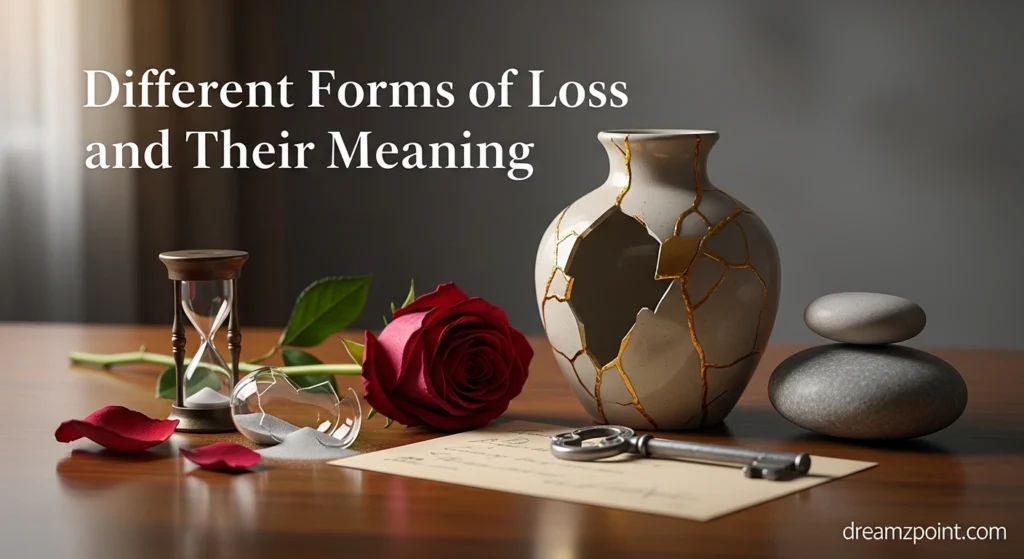
Not all grief looks the same. Broken teeth can symbolize various types of loss, each carrying its own emotional significance.
Loss of a Loved One
This is the most profound form of grief. The break feels sudden, irreversible, and deeply personal. The “missing piece” is irreplaceable.
Loss of a Relationship
Even when both people are still alive, the end of a relationship can feel like a fracture. There’s a sense of what could have been.
Loss of Self or Identity
Transitions such as career changes or personal growth can also create a sense of loss. You’re not who you used to be, but you’re not fully who you’re becoming either.
Each type of loss carries its own “break,” and understanding its meaning can guide the healing process.
The Fear of Judgment and Exposure
Broken teeth are visible. They can make people feel self-conscious or exposed. Similarly, grief can feel like something others might judge or misunderstand.
People often worry about how they’re perceived during grief. Are they grieving “too much”? Not enough? Are they handling it “correctly”?
This fear can lead to emotional isolation. But just as a broken tooth doesn’t define your worth, grief doesn’t define your strength or capability.
Recognizing that vulnerability is not weakness is a crucial step in healing.
Emotional Pain vs. Physical Symbolism
The imagery of broken teeth often carries a sense of physical discomfort even if no real pain is present. This reflects how emotional pain can manifest in physical ways.
Stress, grief, and anxiety can lead to physical symptoms: tension, fatigue, even dental issues like grinding teeth. The body often expresses what the mind struggles to process.
Understanding this connection highlights the importance of holistic care. Healing isn’t just emotional—it’s physical too.
Taking care of your body during grief can support emotional recovery in ways that aren’t always obvious.
The Slow Process of Repair
Repairing a broken tooth takes time whether through treatment, adjustment, or adaptation. The same is true for emotional healing.
There’s no quick fix for grief. It unfolds gradually, often in waves. Some days feel manageable; others feel overwhelming.
Small Steps Matter
Healing doesn’t require dramatic change. Small actions like maintaining routines, seeking support, or allowing moments of rest can make a significant difference.
Accepting Imperfection
Just as a repaired tooth may not be exactly the same as before, healing doesn’t mean returning to your previous self. It means becoming someone who has integrated the experience.
Repair is not about erasing damage. It’s about adapting to it.
Misinterpretations of “Moving On”
One of the most common misunderstandings about grief is the idea of “moving on.” This phrase often suggests forgetting or leaving the past behind.
Broken teeth challenge this notion. Once something breaks, its impact remains. You don’t pretend it never happened you learn to live with the change.
Moving forward is more accurate than moving on. It involves carrying the memory, the lessons, and the emotional imprint while continuing to grow.
Letting go doesn’t mean losing connection. It means redefining it.
The Unexpected Lessons in Loss
While grief is painful, it often brings insights that wouldn’t emerge otherwise. Broken teeth symbolize this paradox damage that leads to awareness.
Clarity of Values
Loss can clarify what truly matters. Relationships, time, and emotional connections often gain deeper significance.
Strength and Resilience
Surviving grief reveals inner strength. Even when it doesn’t feel like it, enduring emotional pain builds resilience.
Appreciation for the Present
Grief can heighten awareness of the present moment. It reminds us that nothing is guaranteed, encouraging a more mindful approach to life.
These lessons don’t justify the pain, but they can give it meaning.
Cultural and Emotional Interpretations
Across different cultures and personal belief systems, broken teeth often carry symbolic meanings related to loss, fear, or transition. While interpretations vary, the common thread is change.
Emotionally, people may associate broken teeth with anxiety about losing control or facing inevitable change. In the context of grief, this aligns closely with the experience of letting go.
Understanding that these symbols are not universal truths but reflections of internal states can help individuals interpret them in a way that resonates personally.
Practical Ways to Cope with Grief
Understanding symbolism is helpful, but practical strategies are equally important.
Creating Space for Emotions
Allow yourself to feel without judgment. Suppressing emotions often prolongs the healing process.
Building Support Systems
Connecting with others whether friends, family, or support groups can provide comfort and perspective.
Engaging in Meaningful Activities
Creative expression, journaling, or even simple routines can help process emotions and restore a sense of normalcy.
Seeking Professional Guidance
Therapists or counselors can offer tools and insights that support deeper healing.
Coping isn’t about eliminating grief it’s about learning to live alongside it.
Embracing Change Without Fear
Broken teeth symbolize change that cannot be undone. While this can feel frightening, it also represents growth and transformation.
Change is often uncomfortable because it disrupts familiarity. But within that disruption lies the potential for new perspectives, relationships, and experiences.
Embracing change doesn’t mean welcoming pain it means accepting that pain can lead to evolution.
When viewed this way, brokenness becomes part of a larger story, not the end of it.
FAQs
What do broken teeth symbolize emotionally?
They often represent vulnerability, loss of control, and emotional transitions, especially related to grief or identity changes.
Why are broken teeth linked to grief?
Because they symbolize something essential breaking or being lost, which mirrors the emotional experience of grief.
Does dreaming about broken teeth mean something bad?
Not necessarily. It often reflects internal stress, change, or unresolved emotions rather than predicting negative events.
Can grief affect physical health, including teeth?
Yes, stress from grief can lead to habits like teeth grinding, which may impact dental health.
Is letting go the same as forgetting?
No. Letting go means accepting and making peace with the loss, not erasing memories.
Why does grief feel like losing part of yourself?
Because it often changes your identity, roles, and emotional connections, creating a sense of internal shift.
How long does it take to heal from grief?
There’s no fixed timeline. Healing is a personal and ongoing process that varies for each individual.
Can symbolism like broken teeth help with healing?
Yes, interpreting symbols can provide insight into emotions and help individuals process their experiences.
Conclusion
Broken teeth, whether literal or symbolic, offer a powerful lens through which to understand grief and letting go. They reflect the fragility of what we often assume is permanent, and the quiet ways in which loss reshapes us. While the experience of breaking emotionally or physically can feel unsettling, it also creates space for awareness, growth, and transformation.
Grief is not something to fix or overcome quickly. It’s something to move through, with patience and compassion. Letting go doesn’t mean losing everything it means learning to carry what matters in a new way. In that sense, even broken pieces can hold meaning, reminding us that healing isn’t about returning to who we were, but becoming someone who can hold both loss and life at the same time.
