
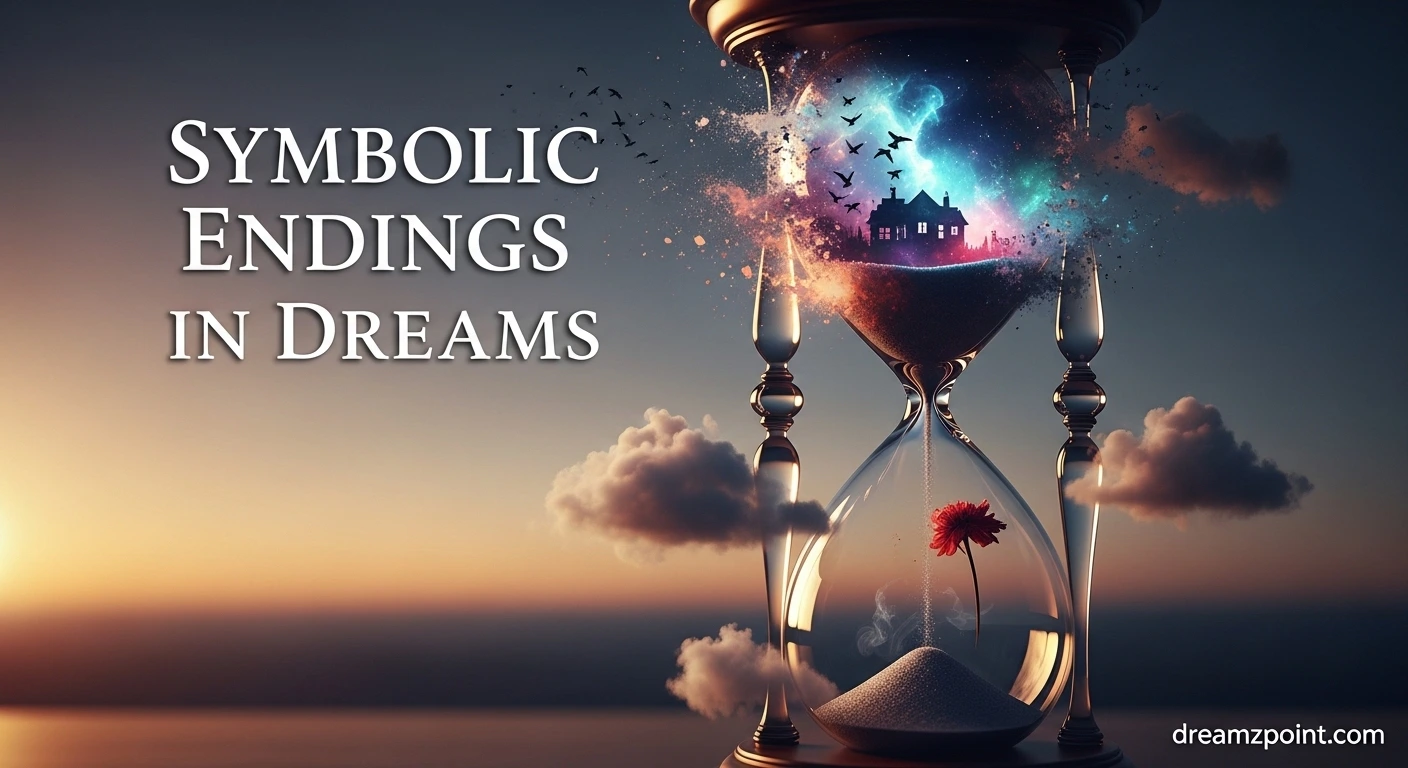
You wake up just as the dream ends. A door quietly shuts. A loved one walks away. A journey fades into darkness. For a moment, you lie still, wondering why it ended that way. Was it random, or did it mean something more?
Dream endings often linger longer than the dream itself. They feel final, emotional, and sometimes unsettling. Unlike the chaotic middle of dreams, endings tend to carry a sense of closure, loss, or transformation. That’s why they deserve attention.
Symbolic endings in dreams are not just about things finishing. They reflect emotional shifts, inner conflicts, and personal growth happening beneath the surface. These endings can reveal what you are ready to release, what you fear losing, or what your mind is trying to resolve.
Understanding these dream endings can help you better understand your waking life. They offer clues about decisions, relationships, and changes you may be avoiding or processing. This article explores those hidden meanings in depth, helping you decode what your mind might be trying to tell you.
What Symbolic Endings in Dreams Really Mean
Dream endings are rarely literal. When something “ends” in a dream, it often reflects a shift rather than a final conclusion. Your mind uses symbolic endings to represent emotional transitions or internal changes.
For example, a dream where a relationship ends might not predict a breakup. Instead, it could signal a change in how you feel about that person or your role in the relationship. Similarly, the end of a journey might reflect reaching a mental milestone.
These endings act like emotional punctuation marks. They signal that something important has been processed, even if you are not fully aware of it yet.
Dreams tend to compress complex feelings into simple scenes. Ending a job, losing a place, or saying goodbye in a dream can represent letting go of identity, comfort, or control. The symbolism depends heavily on your current life situation.
Understanding this requires you to move beyond literal thinking. Instead of asking, “Will this happen?” ask, “What does this represent in my life right now?”
That shift in perspective opens the door to deeper meaning.
Why Dream Endings Feel So Intense

There is a reason endings in dreams often feel more emotional than the rest of the dream. The brain naturally attaches stronger feelings to moments of closure.
In waking life, endings carry weight. They mark transitions, losses, or achievements. Your mind mirrors this pattern in dreams, amplifying emotions to ensure the message is noticed.
When a dream ends abruptly, it can create a sense of unfinished business. This emotional tension often reflects unresolved thoughts or decisions in real life. Your brain is still working through something.
On the other hand, peaceful endings can signal acceptance. They suggest that you are coming to terms with a situation, even if you have not consciously acknowledged it.
The intensity is not random. It is your mind’s way of highlighting what matters most.
Pay attention to how you feel at the end of the dream. That emotion is often more important than the storyline itself. It points directly to what your subconscious is trying to process.
Common Types of Dream Endings and Their Symbolism
Not all dream endings are the same. Different types of endings carry different meanings.
Sudden Endings
Dreams that stop abruptly often reflect interruption or uncertainty. You may be dealing with a situation that feels unresolved or out of your control.
Peaceful Closures
If a dream ends calmly, it may indicate acceptance. You are likely processing a change and slowly coming to terms with it.
Repetitive Endings
When the same ending repeats, your mind is trying to get your attention. There is something important you have not fully understood or addressed.
Emotional Goodbyes
Dreams where you say goodbye often symbolize letting go. This could relate to a person, a phase of life, or even an old belief.
Each type offers a different clue. The key is to match the pattern with what is happening in your life.
Endings That Involve People

Dreams often use people as symbols rather than literal representations. When someone leaves or disappears at the end of a dream, it can feel deeply personal.
A Loved One Walking Away
This may reflect emotional distance or fear of losing connection. It does not necessarily mean the relationship is ending. Instead, it may highlight a shift in closeness or communication.
Saying Goodbye
This can symbolize closure. You might be moving on from a past version of the relationship or letting go of expectations.
Someone Vanishing
When a person disappears suddenly, it often represents uncertainty. You may feel unsure about where you stand with them or what the future holds.
These endings are less about the person and more about your feelings toward them. The emotional tone matters more than the specific action.
Dream Endings That Involve Places
Places in dreams often represent states of mind. When a place disappears or changes at the end, it signals an internal shift.
Leaving a Familiar Place
This can symbolize growth. You are moving beyond comfort zones and stepping into something new.
Losing Your Way
If the dream ends with confusion or being lost, it may reflect uncertainty in your waking life. You might be unsure about your next step.
A Place Collapsing or Fading
This often represents the end of a belief or identity. Something you once relied on is no longer stable.
These endings can feel unsettling, but they often point to important transitions. They show that change is already happening internally.
Emotional Themes Behind Dream Endings

Dream endings are driven by emotion more than logic. Understanding the emotional theme helps decode the meaning.
Fear-based endings often involve loss, failure, or separation. These reflect anxiety about change or uncertainty.
Relief-based endings suggest resolution. You may have been holding onto stress, and your mind is finally releasing it.
Confusion-based endings indicate lack of clarity. You may be dealing with conflicting thoughts or decisions.
Hopeful endings, though less common, suggest readiness for a new beginning. Even if something ends, it feels like a step forward.
Identifying the dominant emotion gives you a clearer interpretation than focusing on the events alone.
How Life Transitions Shape Dream Endings
Major life changes often show up as symbolic endings in dreams. Your mind uses these images to process transitions.
Starting a new job, ending a relationship, or moving to a new place can trigger dreams about closure or departure. Even internal changes, like shifting beliefs or goals, can create similar patterns.
Sometimes the dream ending happens before the real-life change. This does not predict the future. It reflects your readiness or resistance to change.
For example, dreaming about leaving a place might indicate that you are mentally preparing for a shift, even if you have not acted on it yet.
These dreams act as emotional rehearsals. They help you process what change might feel like, making it easier to handle in reality.
The Role of the Subconscious Mind
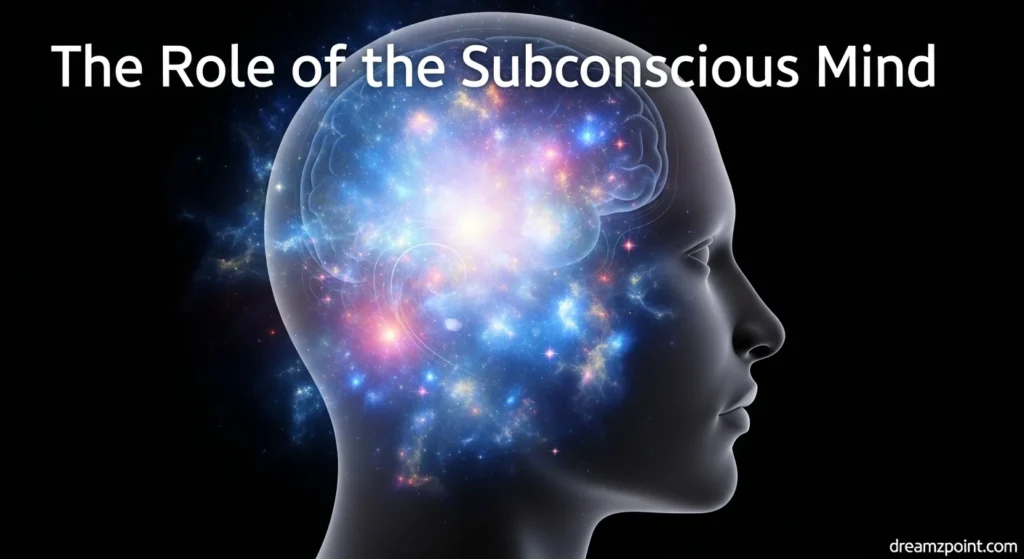
Your subconscious mind communicates through symbols, not direct language. Dream endings are one of its most powerful tools.
Instead of telling you what to do, it shows you what you feel. Endings highlight what is unresolved, what needs closure, or what is ready to change.
The subconscious does not judge. It simply presents patterns based on your experiences and emotions.
That’s why dream endings can feel surprising. They reveal thoughts you may not consciously acknowledge.
Paying attention to these endings helps you understand your deeper emotional state. It gives you insight into what your mind is processing behind the scenes.
Misinterpretations to Avoid
It is easy to misunderstand dream endings if you take them too literally.
One common mistake is assuming that a dream predicts real-life events. For example, dreaming about a breakup does not mean it will happen. It often reflects emotional shifts instead.
Another mistake is ignoring context. The same ending can mean different things depending on your life situation.
Overanalyzing is also a trap. Not every detail needs interpretation. Focus on the overall theme and emotion instead.
Finally, avoid fear-based conclusions. Even negative endings can have positive meanings. They often signal growth or release.
Keeping a balanced perspective helps you interpret dreams more accurately.
Practical Ways to Reflect on Dream Endings

Understanding dream endings becomes easier with simple reflection practices.
Start by writing down the dream as soon as you wake up. Focus on the ending and how it made you feel.
Ask yourself a few questions:
- What was ending in the dream?
- How did I feel about it?
- Does this relate to something in my current life?
Look for patterns over time. Repeated endings often point to ongoing issues or themes.
You can also connect the dream to recent experiences. Sometimes the link is subtle but meaningful.
Reflection does not require deep analysis. Even small insights can help you understand your emotions better.
Real-Life Examples of Symbolic Endings
Consider someone who dreams about missing a train just as it leaves. The ending feels frustrating. In real life, they may feel they missed an opportunity or are worried about timing.
Another example is a dream where a house slowly fades away. This could represent leaving behind a familiar identity or phase of life.
A dream ending with a calm sunset might reflect acceptance. The dreamer may be coming to terms with a situation they once struggled with.
These examples show how endings mirror real emotions. They do not predict events but reflect inner experiences.
When you relate the dream to your life, the meaning becomes clearer.
How to Use Dream Insights in Daily Life

Dream endings can offer practical guidance if you know how to use them.
If a dream suggests unresolved emotions, consider addressing them directly. This might involve a conversation, a decision, or simply acknowledging how you feel.
If the ending reflects fear, ask yourself what you are avoiding. Awareness is often the first step toward change.
If the dream shows acceptance, it may be a sign to move forward. You might be more ready than you think.
Use these insights as gentle guidance, not strict instructions. Dreams provide perspective, not commands.
Over time, this awareness can improve your decision-making and emotional clarity.
The Connection Between Endings and New Beginnings
Every ending in a dream carries the seed of a beginning. Even if the dream feels negative, it often points to transformation.
When something ends, it creates space for something new. Your subconscious recognizes this, even if your conscious mind resists it.
Dreams rarely show both the ending and the new beginning at the same time. They focus on one phase at a time.
That is why endings can feel heavy. They highlight what is being released before showing what comes next.
Understanding this connection can shift your perspective. Instead of fearing endings, you can see them as part of a larger process of growth.
Why Some Endings Keep Repeating
Recurring dream endings are a sign that something remains unresolved.
Your mind repeats the same pattern because it has not found closure. This could be an emotional issue, a decision, or a lingering thought.
Ignoring the message often leads to repetition. Addressing it can reduce or even stop the recurring dream.
For example, if you repeatedly dream about losing something, consider what you feel you might lose in real life. Identifying that fear can bring clarity.
These dreams are persistent because they matter. They are not random. They are signals that something needs attention.
FAQs
1. Do dream endings predict the future? No. They reflect emotions and internal processes rather than actual future events.
2. Why do my dreams often end abruptly? Abrupt endings usually indicate unresolved thoughts or emotional interruptions in your waking life.
3. What does it mean if I feel peaceful at the end of a dream? It often suggests acceptance or emotional resolution regarding a situation.
4. Why do I keep dreaming about saying goodbye? This may symbolize letting go of something, such as a relationship, habit, or past experience.
5. Can the same dream ending have different meanings? Yes. The meaning depends on your current life context and emotional state.
6. Should I worry about negative dream endings? Not necessarily. Negative endings often represent growth, change, or the release of stress.
7. How can I remember my dream endings better? Write them down immediately after waking. Focus on emotions and key details.
8. Are recurring dream endings important? Yes. They usually point to unresolved issues that need attention.
Conclusion
Symbolic endings in dreams are not just about things finishing. They reflect emotional transitions, inner conflicts, and personal growth. Whether the ending feels peaceful, abrupt, or emotional, it carries meaning shaped by your experiences and thoughts.
By focusing on the feelings, patterns, and connections to your waking life, you can uncover valuable insights. These dream endings often highlight what you are ready to release, what you fear, or what you are slowly accepting.
Instead of dismissing them, treat them as quiet messages from your mind. They offer clarity in subtle ways. When you learn to understand them, you gain a deeper awareness of yourself and the changes unfolding within you.
