
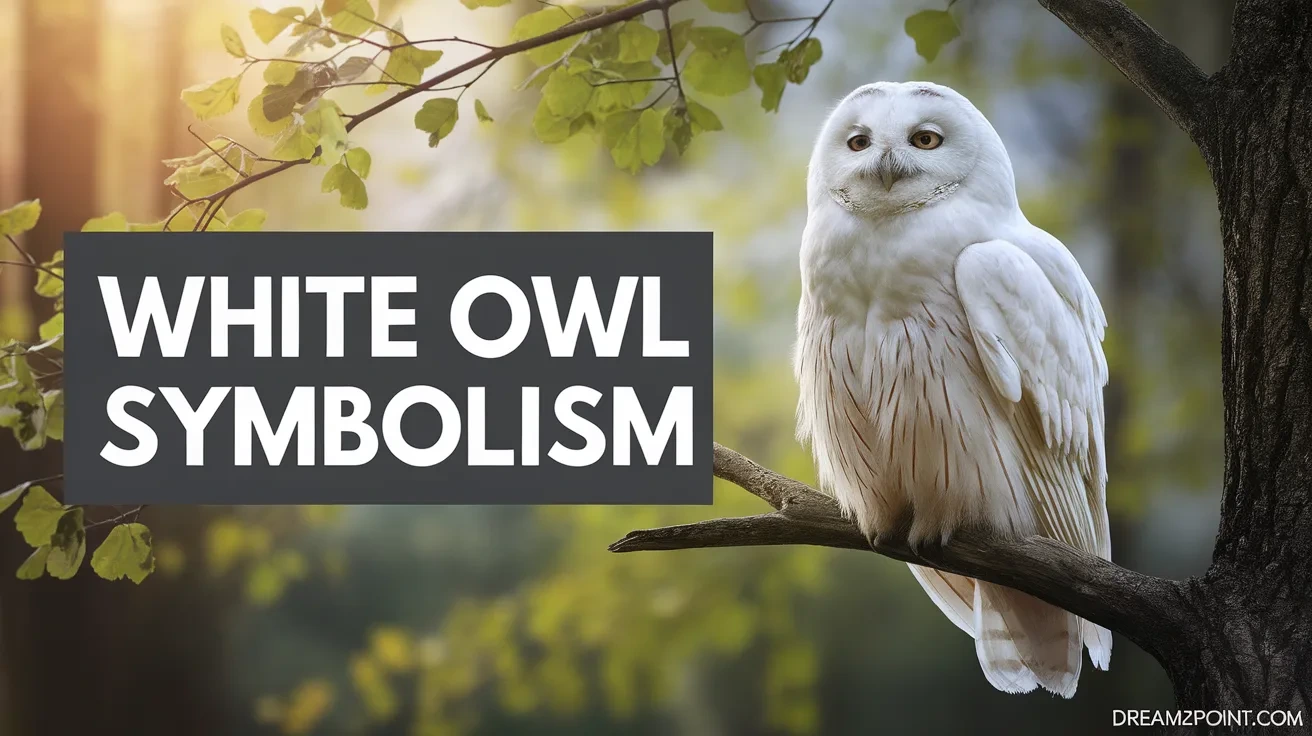
A quiet night. The air feels still, almost too still, as if the world is holding its breath. Then, without warning, a pale shape glides across the darkness. A white owl. It doesn’t make a sound. It simply watches… and then disappears. You’re left with a strange feeling you can’t quite explain. Calm, yet heavy. Comforting, yet unsettling.
Why does that moment stay with you?
For centuries, the white owl has carried deep symbolic meaning across cultures. But beyond folklore and myth, it often appears during emotionally intense periods in our lives especially when we’re dealing with grief, loss, or inner transformation. Its presence can feel like a mirror, quietly reflecting what we haven’t fully processed within ourselves.
This article explores how white owl symbolism connects to inner grief. Not in a distant, abstract way, but in a deeply personal one. You’ll discover how this mysterious symbol can reveal hidden emotions, guide healing, and help you better understand your own emotional journey.
The White Owl as a Silent Messenger of Emotion
The white owl rarely announces itself loudly. It appears in silence, often catching you off guard. That alone tells you something important. Grief works the same way.
You don’t always notice it when it arrives. It seeps into your thoughts during quiet moments—late at night, during a walk, or in the middle of a conversation when your mind drifts away.
The white owl symbolizes this quiet arrival of emotion. It reflects feelings that don’t demand attention but deserve it. Many people expect grief to be dramatic, obvious, and intense. But in reality, it is often subtle, hidden beneath daily routines.
When a white owl appears in dreams, thoughts, or symbolic moments, it can be a reminder to pause. To listen. To notice what you’ve been avoiding.
It asks a simple question: What are you not allowing yourself to feel?
Understanding Grief Beyond Loss

Most people connect grief only with death. But grief shows up in many forms.
- The end of a relationship
- Lost opportunities
- Changes in identity
- Unfulfilled expectations
The white owl symbolizes this broader definition of grief. It represents emotional endings, not just physical ones.
Grief in Everyday Life
You might feel grief when:
- A phase of your life ends
- You move away from a familiar place
- You outgrow a version of yourself
These experiences don’t always get recognized as grief. Yet they leave a quiet ache.
Why the White Owl Appears Here
The white owl acts as a guide through these overlooked emotions. Its presence suggests that something within you is closing, and something new is waiting to emerge—but only if you acknowledge the transition.
Ignoring this kind of grief often leads to emotional numbness. Facing it, however, creates space for growth.
The White Owl Reflects Hidden Pain
Not all pain is visible. Some of it hides beneath routines, responsibilities, and distractions.
The white owl symbolizes this hidden layer.
Its white color represents clarity, but its nocturnal nature connects it to the unseen. Together, these qualities suggest that something buried is ready to be understood.
You might think you’ve moved on from a situation. But then, something small triggers a deep emotional reaction. That’s hidden grief surfacing.
The white owl appears as a reflection of that moment.
It encourages you to stop pushing those feelings away. Instead, it invites you to sit with them, even if it feels uncomfortable.
Because hidden pain doesn’t disappear. It waits.
And the longer it waits, the louder it eventually becomes.
A Symbol of Emotional Isolation
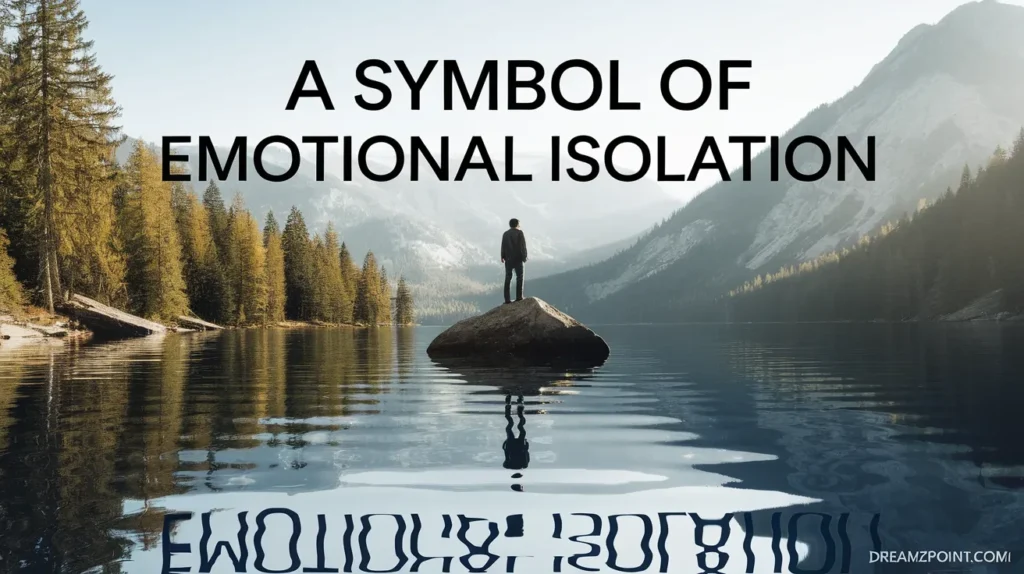
Grief can feel incredibly lonely.
Even when surrounded by people, there’s often a sense that no one fully understands what you’re going through. The white owl, a solitary creature, mirrors this emotional isolation.
It hunts alone. Moves alone. Observes quietly from a distance.
When Isolation Feels Necessary
Sometimes, solitude is part of healing. You need space to process your emotions without outside noise.
The white owl represents this healthy isolation.
When Isolation Becomes a Barrier
But there’s a fine line.
If you withdraw completely, you risk deepening your grief. The owl’s symbolism here becomes a warning—not to stay hidden forever.
It reminds you that while solitude can help you understand your emotions, connection is what helps you heal from them.
The White Owl as a Guide Through Darkness
Darkness is often associated with fear. But it’s also where clarity begins.
The white owl thrives in the night. It sees what others cannot. This makes it a powerful symbol of navigating emotional darkness.
Grief often feels like walking through a fog. You don’t know where you’re going, and nothing feels certain.
The white owl represents intuition during these moments.
It suggests that even when you feel lost, there is a part of you that knows the way forward.
Trusting Your Inner Guidance
You may not have clear answers. But you have instincts.
- A feeling that something needs closure
- A sense that it’s time to let go
- A quiet understanding that healing has begun
The white owl encourages you to trust these signals.
Because even in darkness, there is direction.
Transformation Through Emotional Release

Grief is not just about loss. It’s about transformation.
The white owl, often associated with change, reflects this process.
When you allow yourself to feel deeply, something shifts. You begin to see things differently. Your priorities change. Your perspective evolves.
Letting Go to Move Forward
Holding onto grief can feel like honoring what you’ve lost. But sometimes, it keeps you stuck.
The white owl symbolizes release.
Not forgetting. Not ignoring. But gently allowing emotions to move through you.
A Personal Shift
You might notice:
- Greater emotional awareness
- Increased empathy for others
- A deeper connection to yourself
These changes are not signs of weakness. They are signs of growth.
And the white owl appears as a quiet witness to that transformation.
Connection Between Memory and Presence
Grief often lives in memories.
A song. A place. A familiar scent. Suddenly, you’re transported to a moment that no longer exists.
The white owl symbolizes the connection between past and present.
It reminds you that memories are not something to escape. They are something to understand.
Holding On Without Being Held Back
There’s a balance here.
You can honor memories without letting them control your present life.
The white owl encourages reflection, not attachment.
It asks:
- What does this memory teach you?
- What emotion is still unresolved?
When you approach memories with awareness, they become less painful and more meaningful.
Acceptance and Inner Peace

At the core of grief is resistance.
You wish things had been different, replay moments. You imagine alternate outcomes.
The white owl represents acceptance.
Not forced acceptance. Not immediate peace. But a gradual shift.
What Acceptance Really Means
Acceptance doesn’t mean:
- You’re over it
- You don’t care anymore
- It didn’t matter
It means you are no longer fighting reality.
The Quiet Calm
When acceptance begins, something changes internally.
The intensity of grief softens. The sharp edges become smoother. You begin to feel moments of peace again.
The white owl symbolizes this stage.
It doesn’t rush you. It simply stays present, reminding you that peace is possible—even if it feels distant right now.
Cultural Interpretations of White Owl Symbolism
Different cultures view the white owl in unique ways, but many share a connection to the spiritual and emotional world.
In some traditions, it represents wisdom and protection. In others, it is seen as a messenger between worlds.
What’s interesting is that across these interpretations, one theme remains consistent: transition.
The white owl often appears at moments of change—especially emotional or spiritual shifts.
This aligns closely with grief. Because grief itself is a transition from what was to what is.
Understanding these cultural perspectives can deepen your interpretation, but the most important meaning is the one that resonates with your personal experience.
Common Misunderstandings About White Owl Symbolism
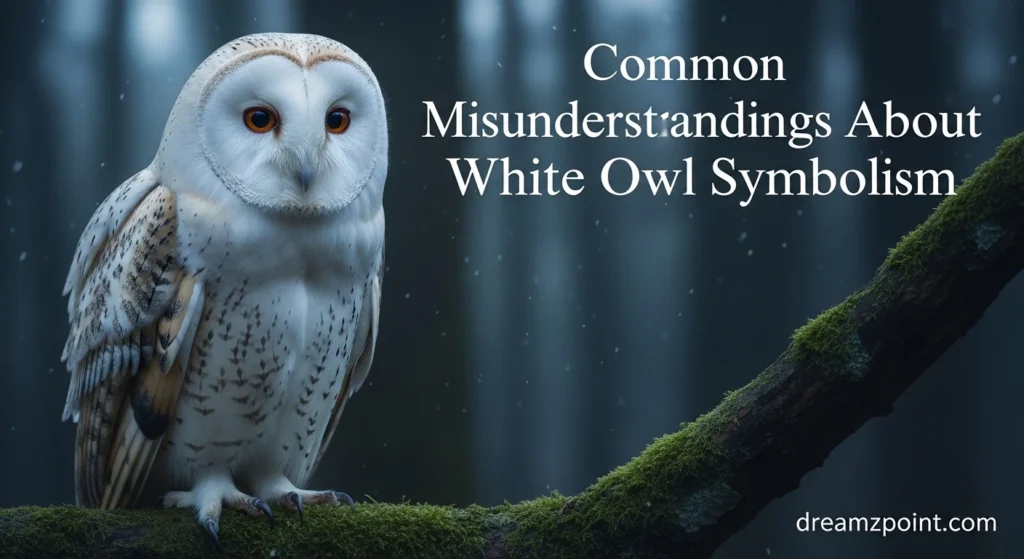
Not every white owl sighting is negative or ominous.
Many people associate it with bad luck or fear, but this interpretation is often exaggerated.
Myth vs Reality
- Myth: White owls always symbolize death
- Reality: They often symbolize emotional awareness and transformation
- Myth: Seeing one is a warning
- Reality: It can be a moment of reflection
Why Misinterpretations Happen
Humans tend to fear what they don’t understand. The owl’s quiet nature and nighttime presence make it feel mysterious.
But mystery does not equal danger.
In many cases, the white owl is not something to fear. It’s something to listen to.
Real-Life Moments Where This Symbol Appears
White owl symbolism doesn’t always show up as an actual owl.
It can appear in subtle, symbolic ways:
- Dreams
- Art or images
- Repeated thoughts or patterns
- Unexpected emotional moments
Example Scenarios
- You dream of a white owl during a stressful life transition
- You notice owl imagery repeatedly when thinking about a past loss
- You feel a strong emotional reaction to something small and unexplained
These moments are often connected to inner reflection.
They don’t require immediate answers. They require awareness.
How to Work With This Symbol in Daily Life

You don’t need to “decode” every symbol perfectly. But you can use it as a tool for self-understanding.
Simple Practices
- Journaling: Write what you felt when the symbol appeared
- Reflection: Ask yourself what emotion is present
- Stillness: Spend a few quiet minutes without distraction
A Gentle Approach
There’s no need to force meaning.
The white owl works in subtle ways. The more you try to control the interpretation, the less clear it becomes.
Instead, stay open.
Let the meaning unfold naturally.
Lessons the White Owl Teaches About Grief
At its core, the white owl offers simple but powerful lessons:
- Grief is not something to avoid
- Silence can reveal truth
- Emotional depth leads to growth
- Healing takes time
These lessons are not always easy. But they are necessary.
The white owl doesn’t promise quick answers. It offers understanding.
And sometimes, that’s more valuable.
FAQs
What does a white owl symbolize emotionally?
It often represents hidden emotions, inner reflection, and the presence of unresolved grief.
Is seeing a white owl a bad sign?
Not necessarily. It is more commonly a symbol of awareness and transformation rather than danger.
Why do I dream about a white owl during difficult times?
Dreams often reflect your subconscious. The owl may symbolize your mind processing grief or emotional change.
Can a white owl represent healing?
Yes. It can indicate that you are moving toward acceptance and emotional clarity.
Does the white owl always relate to grief?
Not always, but it frequently appears during periods of emotional transition or introspection.
How should I respond if I keep noticing this symbol?
Take time to reflect on your emotions and current life situation. It may be prompting deeper awareness.
Is the white owl connected to spirituality?
In many interpretations, yes. It is often seen as a symbol of wisdom and inner guidance.
Can this symbolism apply even if I’ve never seen a real owl?
Absolutely. Symbolism often appears through thoughts, dreams, or repeated imagery.
Conclusion
The white owl is not just a symbol of mystery. It is a reflection of what lies beneath the surface—especially when it comes to grief. It shows up in quiet moments, asking you to look inward rather than away. Through its presence, you begin to understand that grief is not something to fix or escape. It is something to experience, learn from, and eventually grow through.
Each stage it represents—from hidden pain to acceptance—mirrors a part of your emotional journey. And while the process may feel uncertain, it is also deeply transformative.
In the end, the white owl doesn’t bring answers. It brings awareness. And sometimes, that awareness is exactly what you need to begin healing.
